

Send us a Message
Da Nang is Vietnam’s most modern coastal city, balancing laid-back beach vibes with urban energy. Known for its long sandy shores and iconic bridges, it serves as a gateway to both ancient Hoi An and imperial Hue. The city is also surrounded by natural wonders, from marble mountains to lush hills. With its blend of relaxation and adventure, Da Nang has become one of Vietnam’s fastest-growing travel destinations.
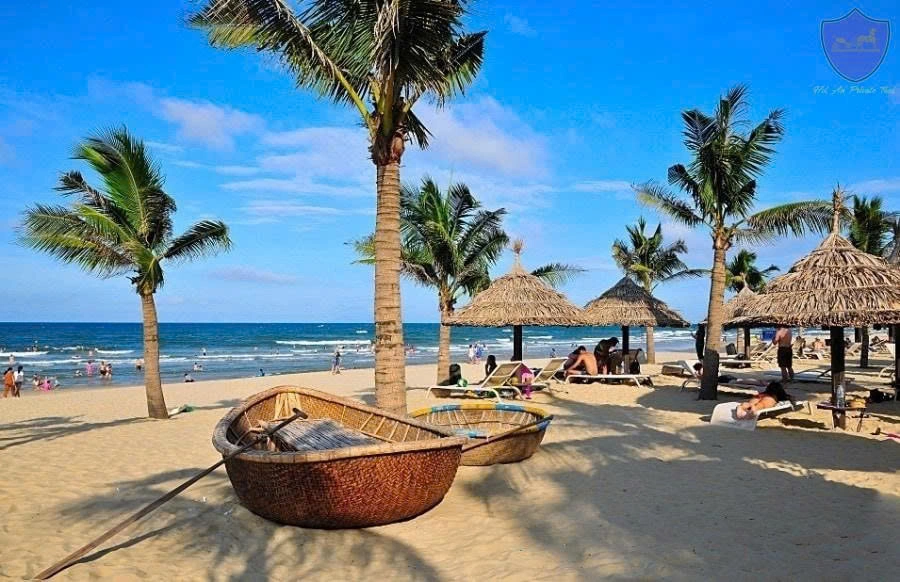
Relax on My Khe Beach
Often listed among Asia’s best beaches, My Khe boasts soft sands and clear waters. It’s perfect for sunbathing, swimming, or trying water sports. The beach also comes alive at sunrise, when fishermen bring in their daily catch.
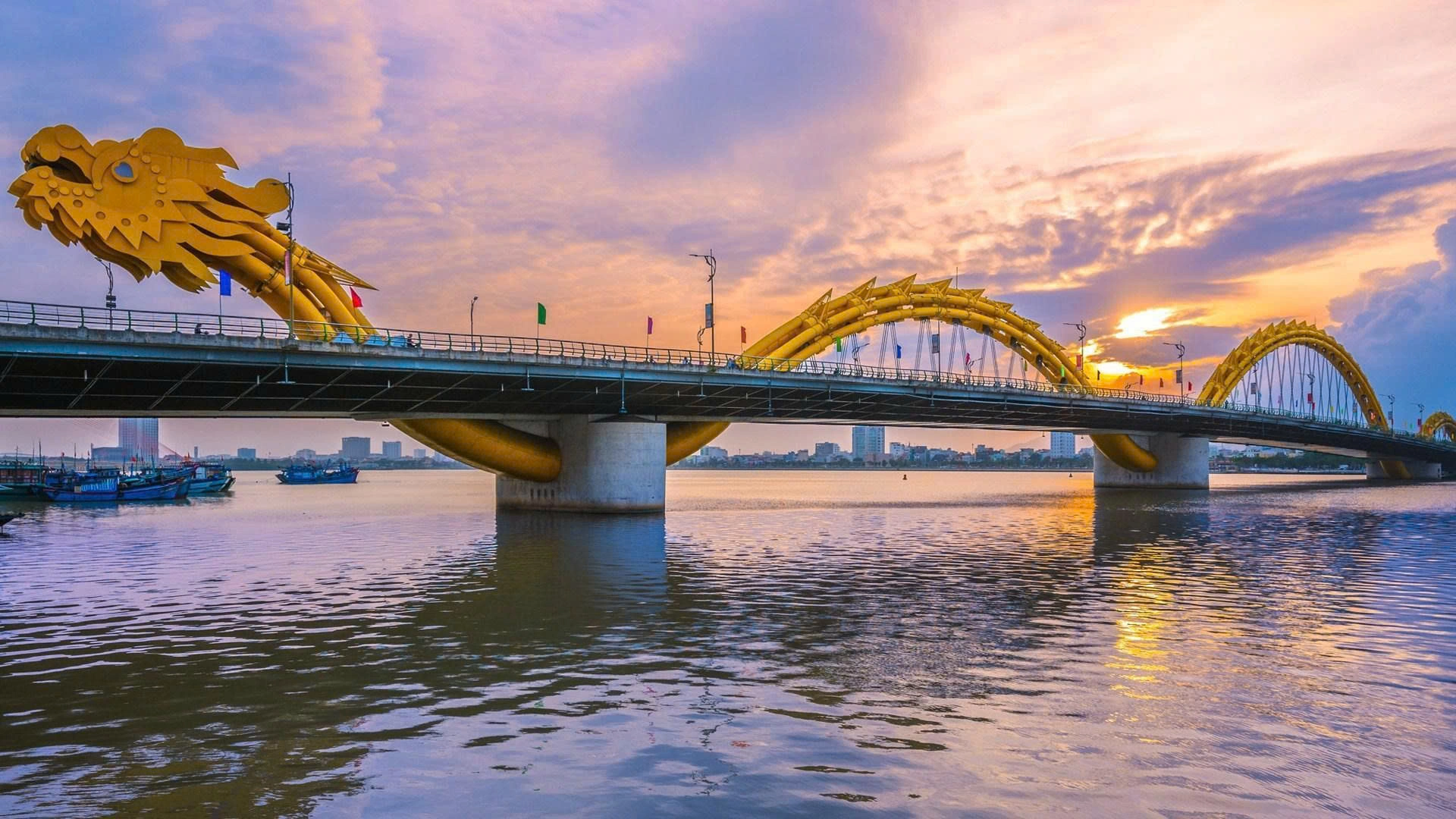
Walk across Dragon Bridge
Da Nang’s most iconic landmark is the Dragon Bridge, which lights up in vibrant colors at night. On weekends, the dragon even breathes fire and water, drawing excited crowds. It’s a symbol of the city’s youthful spirit and creativity.
Discover Marble Mountains
Just outside the city, the Marble Mountains rise dramatically with caves, temples, and viewpoints. Climbing the steps reveals Buddhist sanctuaries hidden inside limestone caverns. From the top, the panoramic views stretch across Da Nang’s coastline.
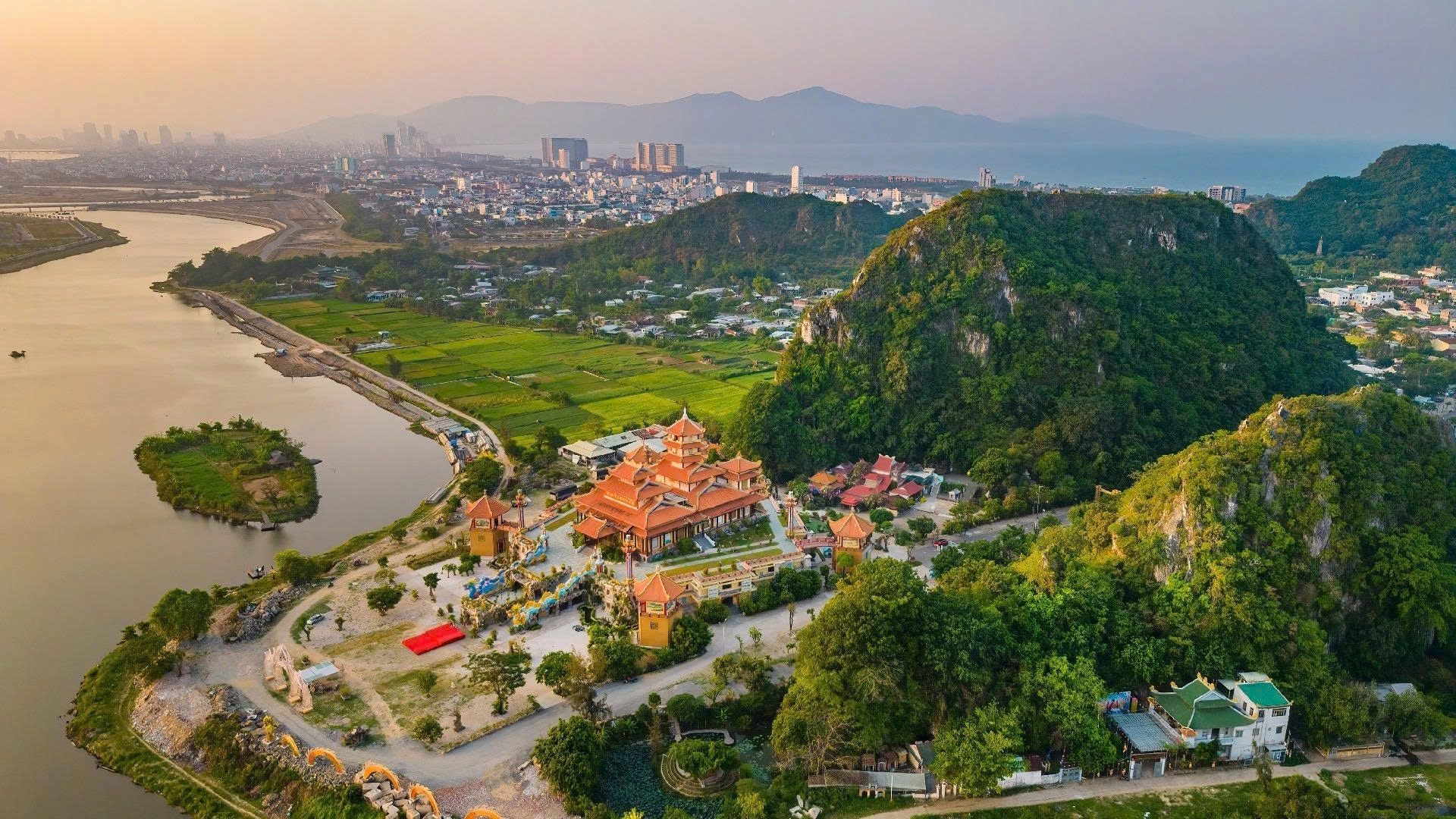
Ride to the Golden Bridge at Ba Na Hills
The Golden Bridge, held up by giant stone hands, has become an international sensation. Located in Ba Na Hills resort, it combines modern architecture with stunning mountain views. The cable car ride to reach it is an experience in itself.

Enjoy Da Nang’s street food

Da Nang offers a rich culinary scene, from mi Quang noodles to fresh seafood dishes. Street vendors and local markets showcase the city’s bold and flavorful cuisine. Food lovers will find every meal here a delight.
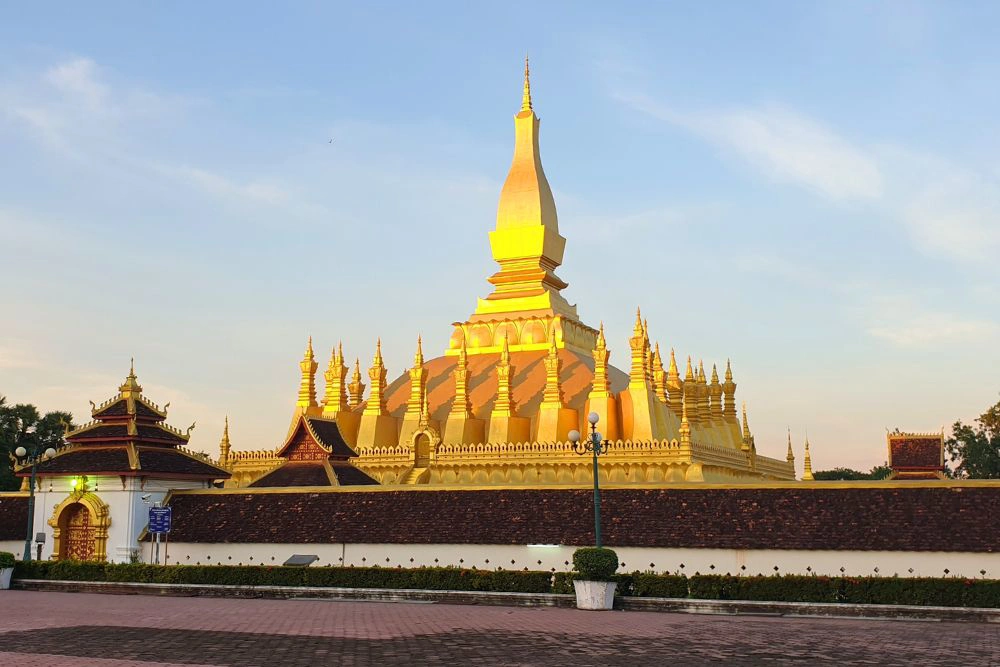
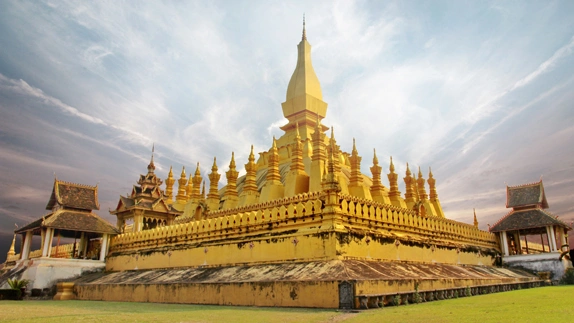
Discover Laos in 7 days with a relaxed itinerary covering Luang Prabang, Vang Vieng and Vientiane.
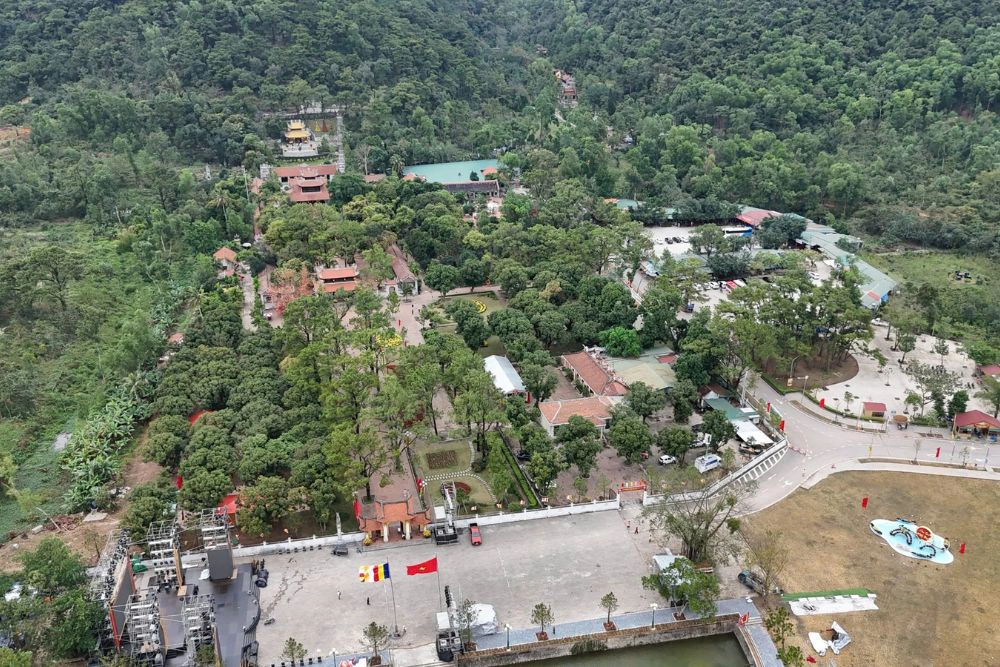
Discover Vietnam’s newest UNESCO World Heritage site: the Yen Tu, Vinh Nghiem, and Con Son, Kiep Bac Complex.
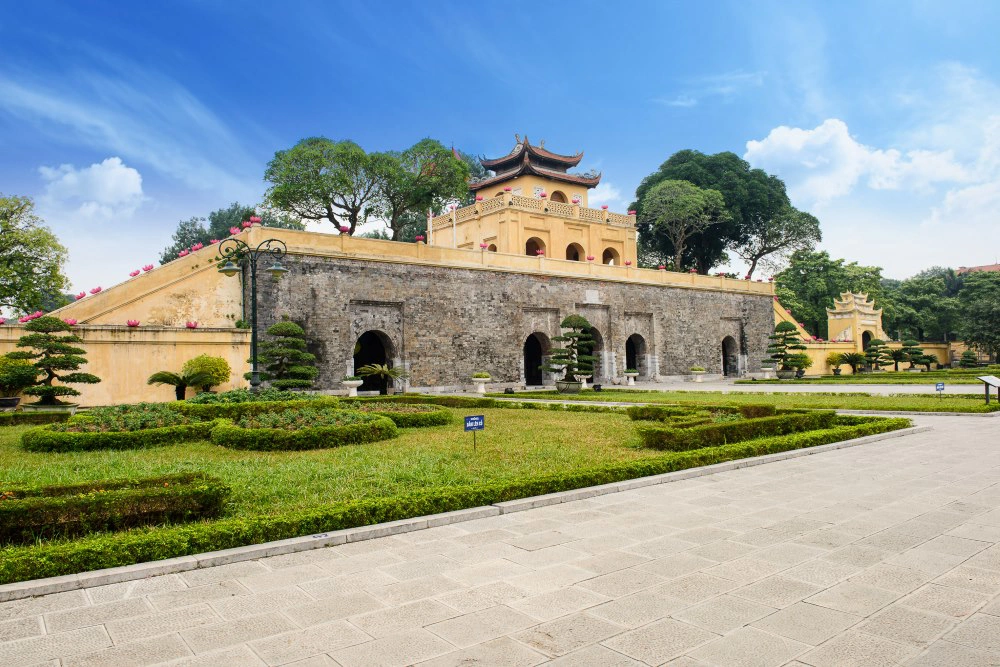
Discover the cultural roots of Hanoi in the Central Sector of the Imperial Citadel of Thang Long.
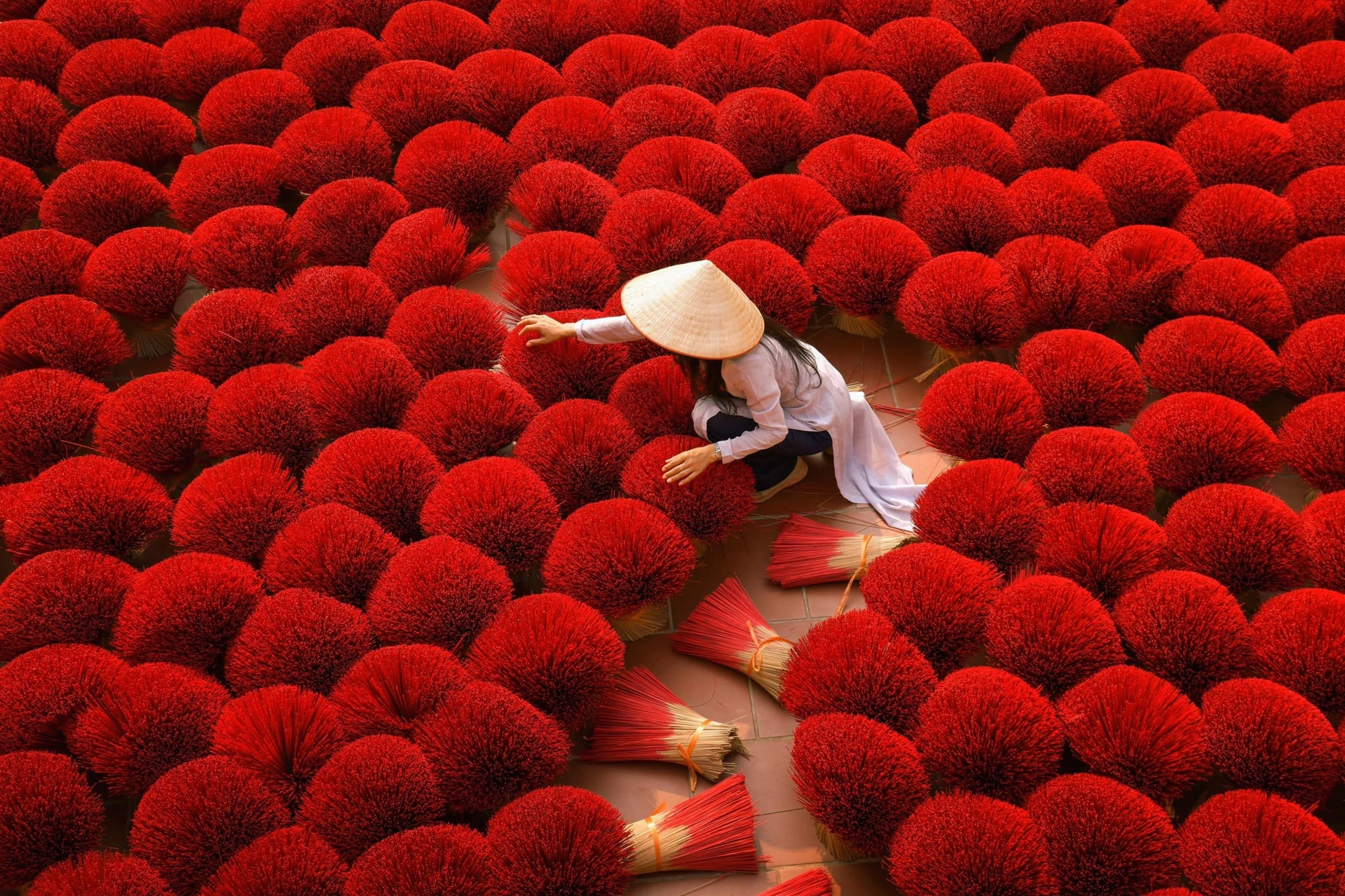
Vietnam is a country full of history, culture, and natural beauty, offering unforgettable experiences for every type of traveler. From bustling cities and ancient temples to serene countryside and pristine beaches, there is something for everyone. With careful planning, attention to local customs, and consideration for dietary or religious needs, Israeli travelers can enjoy a safe, enriching, and memorable journey.
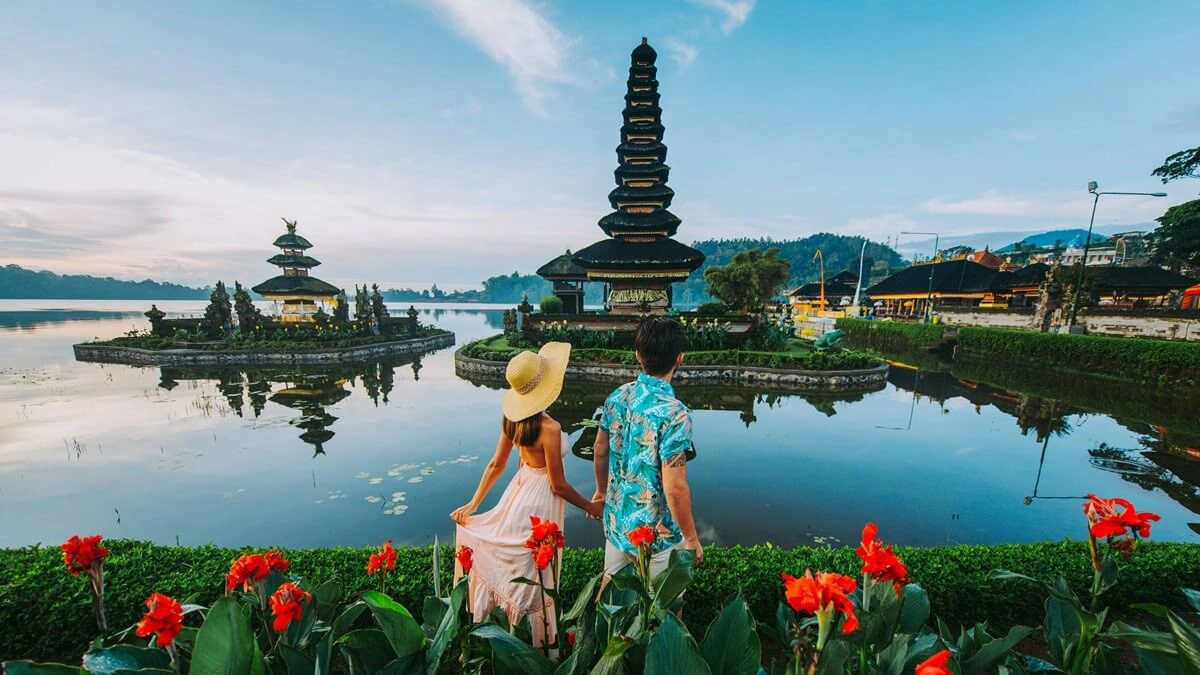
To enter Bali, travelers need a passport valid for 6 months; many nationalities get 30 days visa-free, while longer stays require a Visa on Arrival or e-visa. The island has a tropical climate with a dry season (Apr–Oct) ideal for beaches and festivals, and a wet season (Nov–Mar) with lush green landscapes. Cash in Indonesian Rupiah is essential for small expenses, though cards are accepted in larger venues, and transport mainly relies on taxis, ride-hailing apps, scooters, or private drivers. Visitors should respect local customs—dress modestly at temples, remove shoes in sacred spaces, and use the right hand when giving or receiving items.
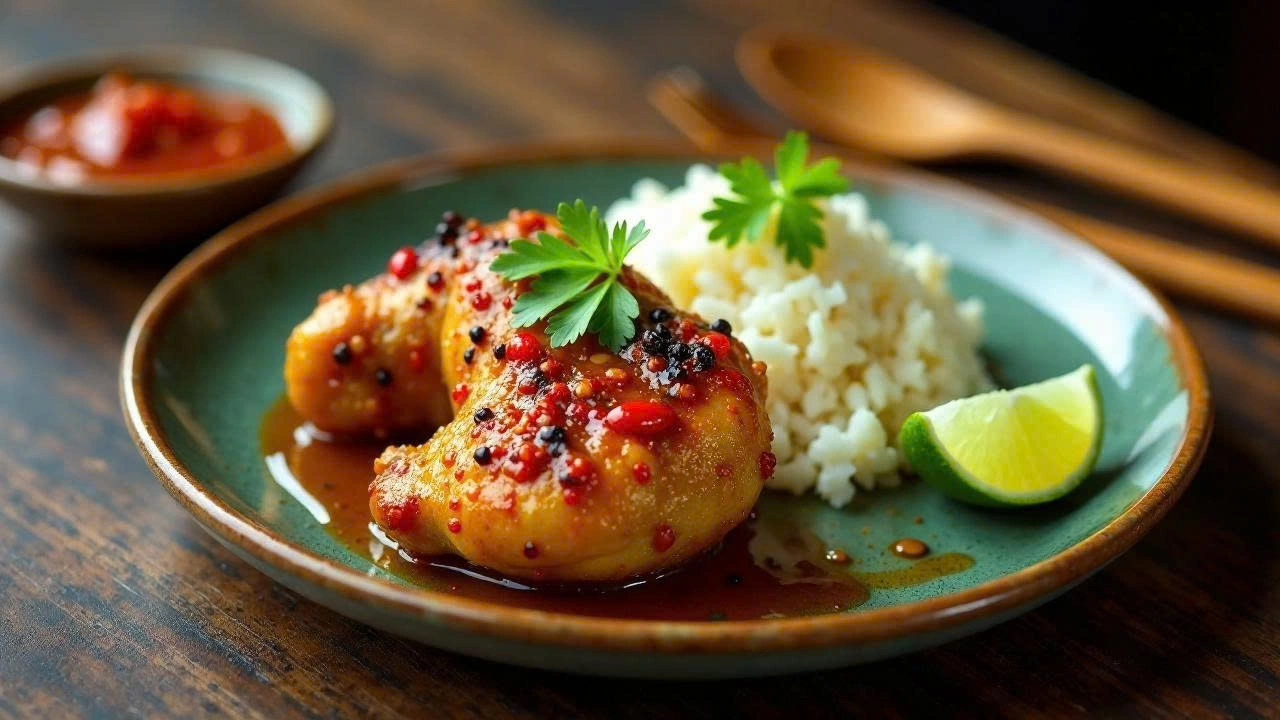
Balinese cuisine is a vibrant reflection of the island’s culture, shaped by its Hindu heritage, fertile volcanic soils, and abundant spices. Meals are a harmonious balance of flavors spicy, savory, sweet, and aromatic—brought together through fresh herbs, coconut, peanuts, and chili-based spice pastes known as bumbu. Rice is the centerpiece of most meals, complemented by grilled meats, seafood, and an array of vegetable dishes. Many recipes are deeply rooted in ceremonial traditions, often served during temple festivals and family gatherings, making Balinese food not only a culinary delight but also a cultural journey.
Preparing for your upcoming trip to Asia?
Let us know what we can arrange for you!