

Send us a Message
Located at 19C Hoang Dieu Street in Hanoi’s Ba Dinh District, the Central Sector of the Imperial Citadel of Thang Long stands as one of Vietnam’s most significant historical landmarks.
For more than a millennium, this fortified complex served as the political seat of successive Vietnamese dynasties.
Inscribed as a UNESCO World Heritage Site in 2010, the site preserves invaluable architectural structures and subterranean archaeological layers that trace the continuous evolution of Vietnamese statehood.
The history of the citadel began in 1010 when Emperor Ly Thai To relocated the national capital from Hoa Lu to Thang Long, meaning Ascending Dragon.
Over the following eight centuries, the Ly, Tran, Le, and Mac dynasties continuously expanded and rebuilt the royal enclosure.
Even after the Nguyen Dynasty shifted the imperial capital south to Hue in 1802, the citadel remained a vital regional administrative center.
Although wars and nineteenth-century French colonial urban redevelopment destroyed many original wooden palaces, the surviving masonry gates and foundations offer a clear window into Vietnam's imperial past.
Visitors enter through Doan Mon, the grand southern gate featuring five stone arches that once controlled access to the Forbidden City.
Directly ahead lies the foundation of Kinh Thien Palace, the ceremonial heart of the court, where intricately carved fifteenth-century stone dragons still flank the main staircase.
Further across the grounds stands the North Gate, the only surviving entrance from the Nguyen era, which still bears visible cannonball scars from the 1882 French bombardment.
The complex also houses the D67 House and underground bunker, which served as the strategic headquarters for Vietnamese military leadership during the twentieth century.
Across the street, the 18 Hoang Dieu Archaeological Site displays uncovered palace foundations, ancient brick wells, and drainage systems dating back to the seventh century.
The Imperial Citadel of Thang Long is open daily from 8:00 AM to 5:00 PM, with general admission priced at 100,000 VND per adult.
Allocating two hours allows enough time to explore both the main monument grounds and the archaeological excavation trenches across the street.
Situated roughly two kilometers west of Hoan Kiem Lake, the site is easily reached via a ten-minute taxi ride or private transfer.
Walking through the Imperial Citadel of Thang Long connects travelers directly with the political and cultural roots of Hanoi.
To experience this monument alongside Hanoi’s surrounding historical landmarks with licensed guides and private transport, contact VietnamStay via WhatsApp at +84 915 118 628 to begin planning your tailored itinerary.
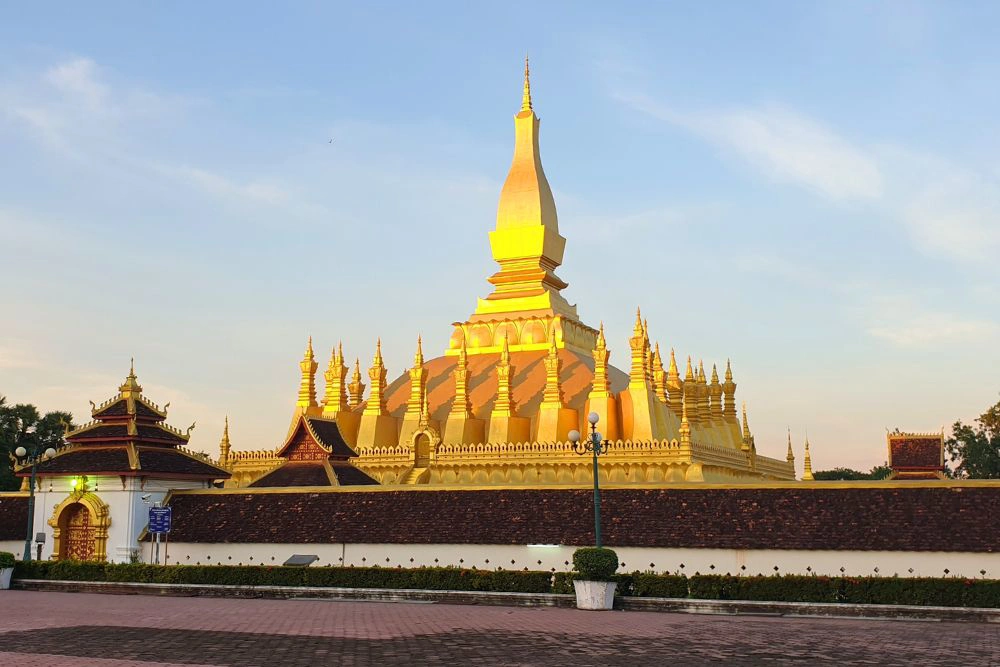
Discover Laos in 7 days with a relaxed itinerary covering Luang Prabang, Vang Vieng and Vientiane.
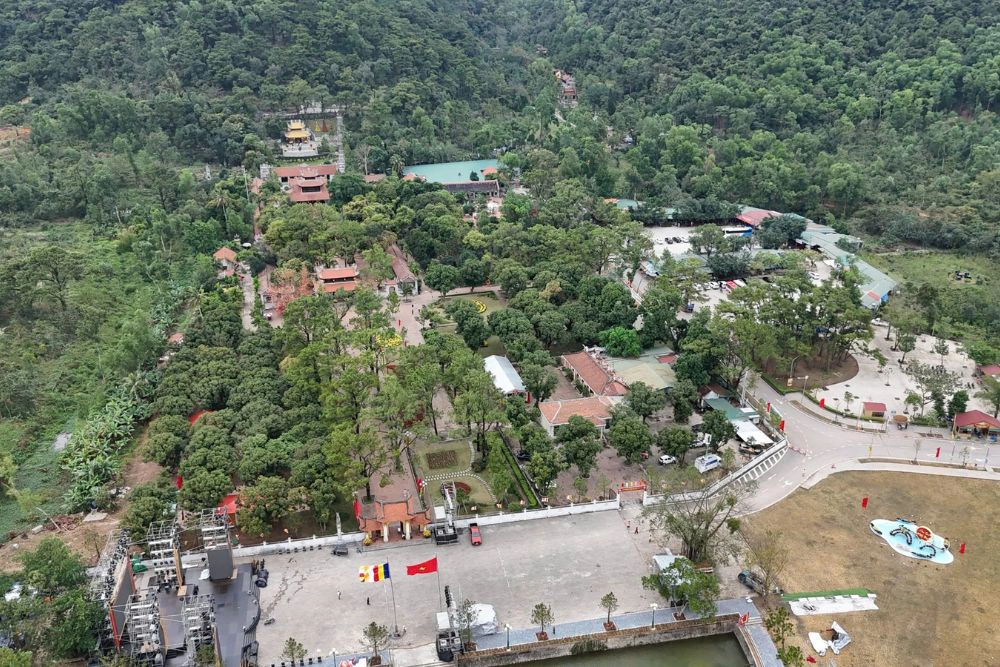
Discover Vietnam’s newest UNESCO World Heritage site: the Yen Tu, Vinh Nghiem, and Con Son, Kiep Bac Complex.
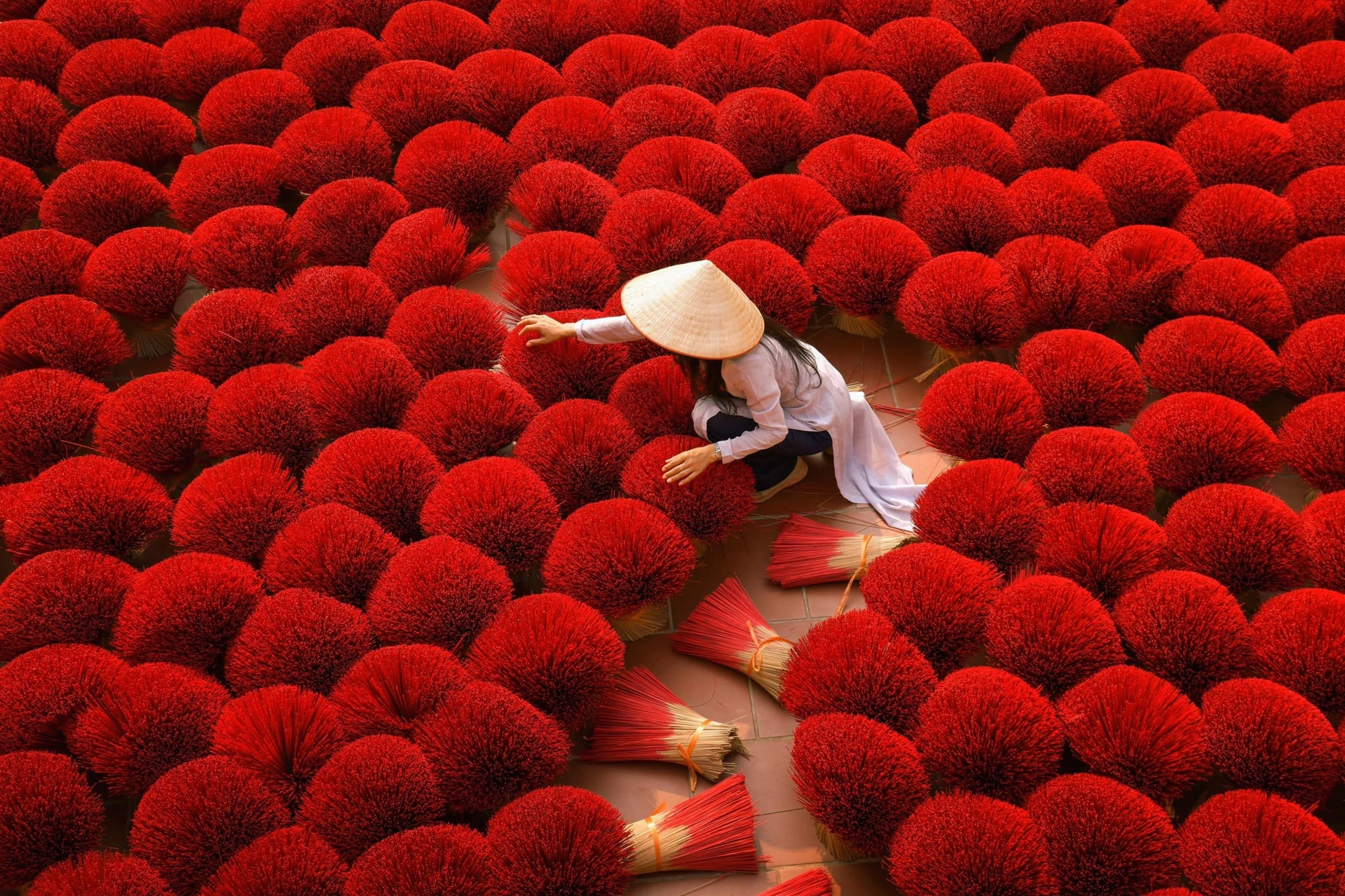
Vietnam is a country full of history, culture, and natural beauty, offering unforgettable experiences for every type of traveler. From bustling cities and ancient temples to serene countryside and pristine beaches, there is something for everyone. With careful planning, attention to local customs, and consideration for dietary or religious needs, Israeli travelers can enjoy a safe, enriching, and memorable journey.
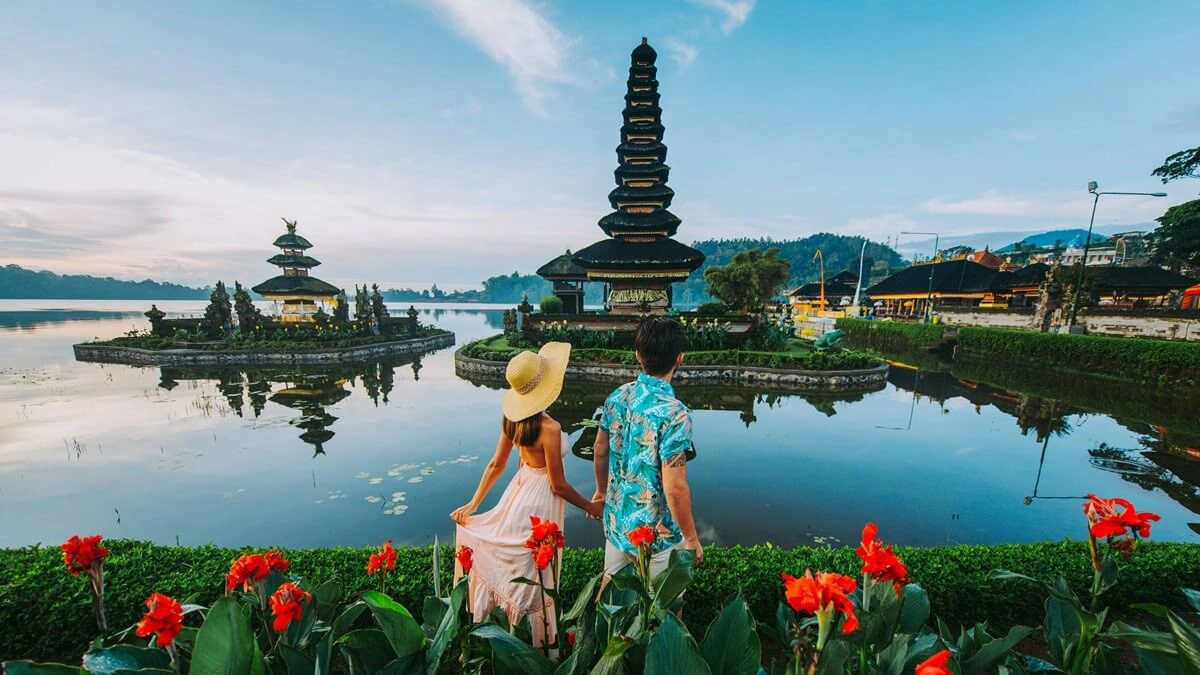
To enter Bali, travelers need a passport valid for 6 months; many nationalities get 30 days visa-free, while longer stays require a Visa on Arrival or e-visa. The island has a tropical climate with a dry season (Apr–Oct) ideal for beaches and festivals, and a wet season (Nov–Mar) with lush green landscapes. Cash in Indonesian Rupiah is essential for small expenses, though cards are accepted in larger venues, and transport mainly relies on taxis, ride-hailing apps, scooters, or private drivers. Visitors should respect local customs—dress modestly at temples, remove shoes in sacred spaces, and use the right hand when giving or receiving items.
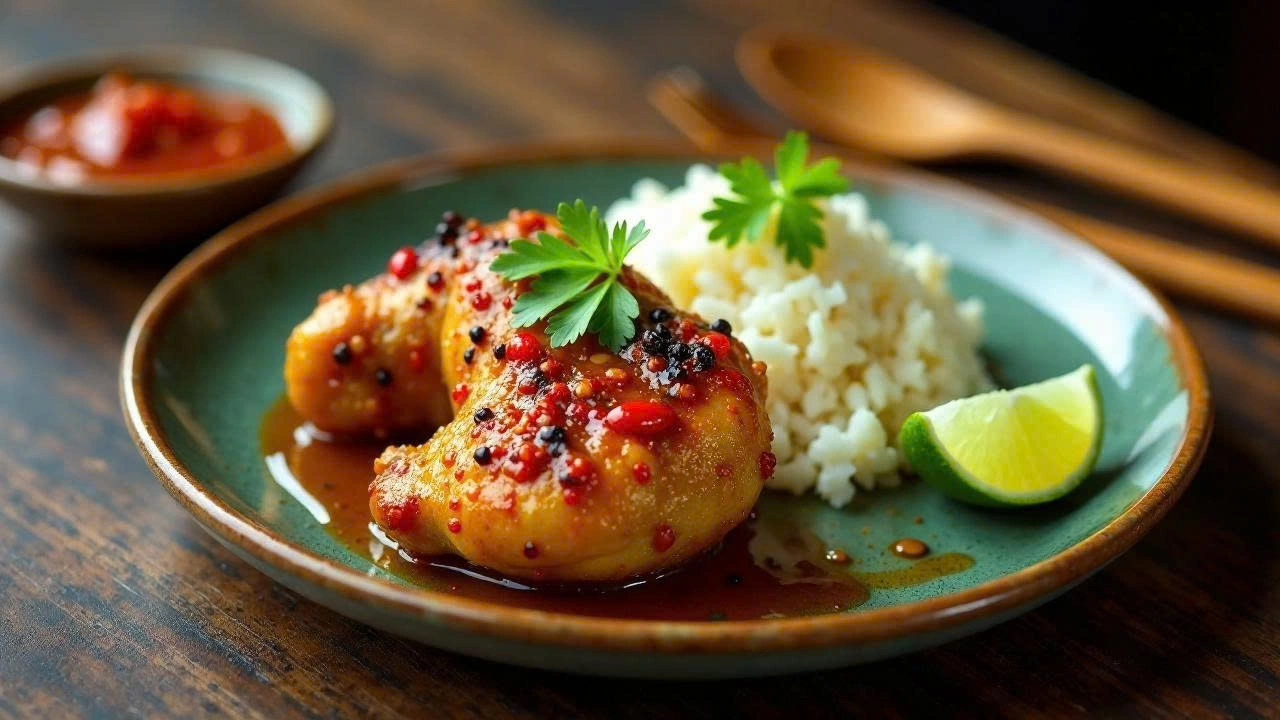
Balinese cuisine is a vibrant reflection of the island’s culture, shaped by its Hindu heritage, fertile volcanic soils, and abundant spices. Meals are a harmonious balance of flavors spicy, savory, sweet, and aromatic—brought together through fresh herbs, coconut, peanuts, and chili-based spice pastes known as bumbu. Rice is the centerpiece of most meals, complemented by grilled meats, seafood, and an array of vegetable dishes. Many recipes are deeply rooted in ceremonial traditions, often served during temple festivals and family gatherings, making Balinese food not only a culinary delight but also a cultural journey.
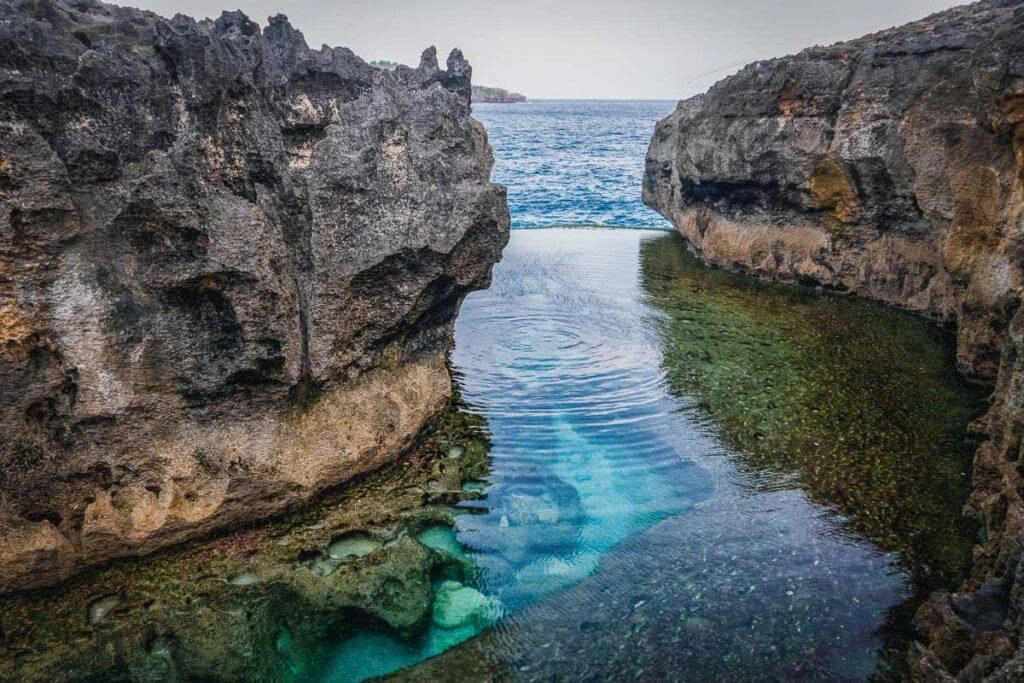
Nusa Penida is a stunning island off Bali’s southeast coast, famed for its rugged cliffs, crystal-clear waters, and dramatic landscapes. Highlights include Kelingking Beach with its dinosaur-shaped headland, Angel’s Billabong, and Broken Beach. Popular for snorkeling and diving, the island offers encounters with manta rays and vibrant coral reefs, making it a paradise for adventure and nature lovers.
Preparing for your upcoming trip to Asia?
Let us know what we can arrange for you!