


Send us a Message
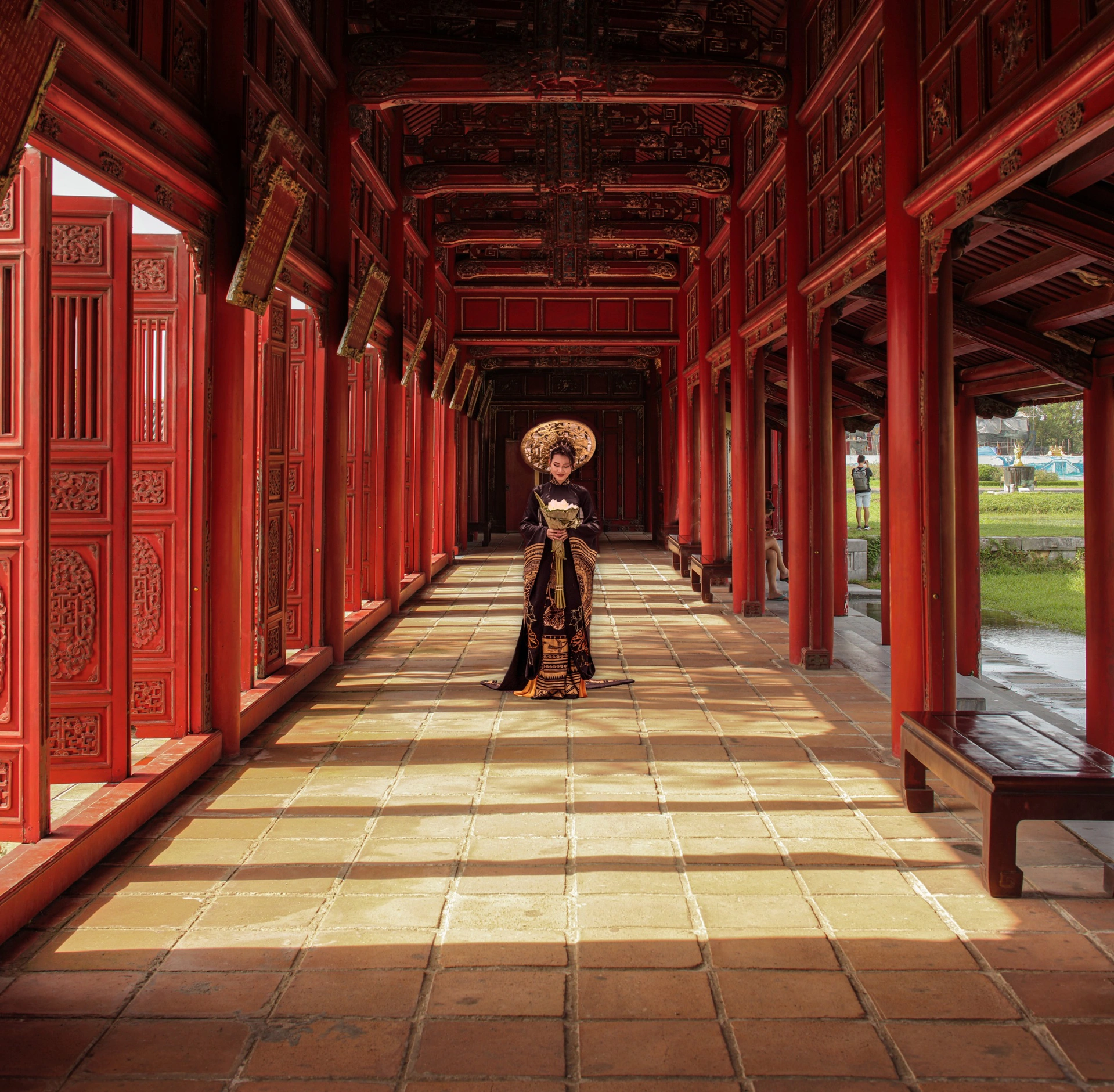
Inscribed onto the UNESCO World Heritage List in 2025, the Yen Tu – Vinh Nghiem – Con Son, Kiep Bac Complex represents Vietnam’s ninth World Heritage property.
Spanning three northern provinces – Quang Ninh, Bac Giang, and Hai Duong – this serial cultural landscape preserves the birthplace and spiritual network of Truc Lam Zen Buddhism, a uniquely Vietnamese Buddhist tradition founded in the thirteenth century.
Following the successful defense of Vietnam against Mongol invasions in the late thirteenth century, King Tran Nhan Tong abdicated the throne in 1299 and retreated to the forested slopes of Mount Yen Tu.
There, he founded the Truc Lam Zen sect, unifying existing Buddhist schools into a philosophy emphasizing harmony between spiritual practice, national duty, and daily life.
Over the ensuing centuries, emperors, scholars, and monks built an extensive network of pagodas, hermitages, stupas, and pilgrimage trails across the surrounding mountain ranges and river valleys.
Mount Yen Tu forms the spiritual core of the property, featuring ancient stone stupas, the Hoa Yen Pagoda, and the bronze Dong Pagoda perched at an elevation of 1,068 meters above sea level.
Further west in Bac Giang Province, Vinh Nghiem Pagoda served as the historical training center and publishing house of the sect, housing a vast collection of over three thousand carved wooden printing blocks recognized by UNESCO for their documentary heritage.
In Hai Duong Province, the Con Son and Kiep Bac relics link Buddhist monastic traditions with national military history, honoring thirteenth-century general Tran Hung Dao and fifteenth-century scholar Nguyen Trai amidst pine-covered hills and tranquil streams.
Because the complex spans multiple provinces east of Hanoi, visiting the primary sites requires structured overland transport.
Mount Yen Tu lies approximately 130 kilometers east of Hanoi and is easily visited en route to Ha Long Bay, supported by a modern cable car system that eases the mountain ascent.
Visiting Vinh Nghiem Pagoda and the Con Son – Kiep Bac temples can be arranged as a dedicated full-day cultural excursion from the capital.
The Yen Tu – Vinh Nghiem – Con Son, Kiep Bac Complex offers travelers a serene journey into Vietnam’s philosophical and dynastic heritage away from standard tourist routes.
Contact VietnamStay on WhatsApp at +84 915 118 628 to incorporate these sacred mountain sanctuaries into your private northern Vietnam itinerary.
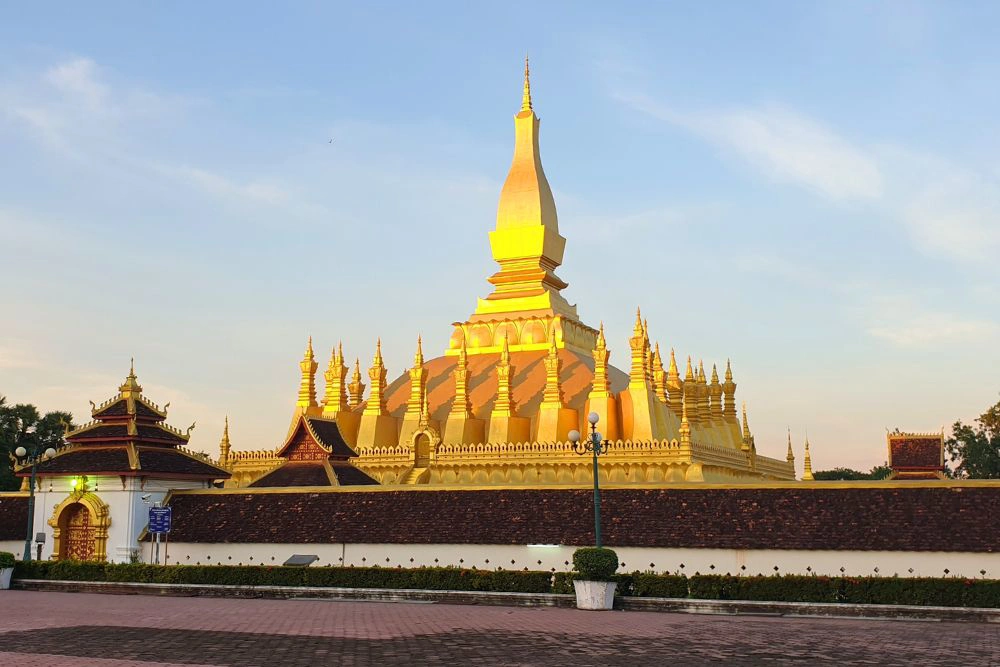
Discover Laos in 7 days with a relaxed itinerary covering Luang Prabang, Vang Vieng and Vientiane.
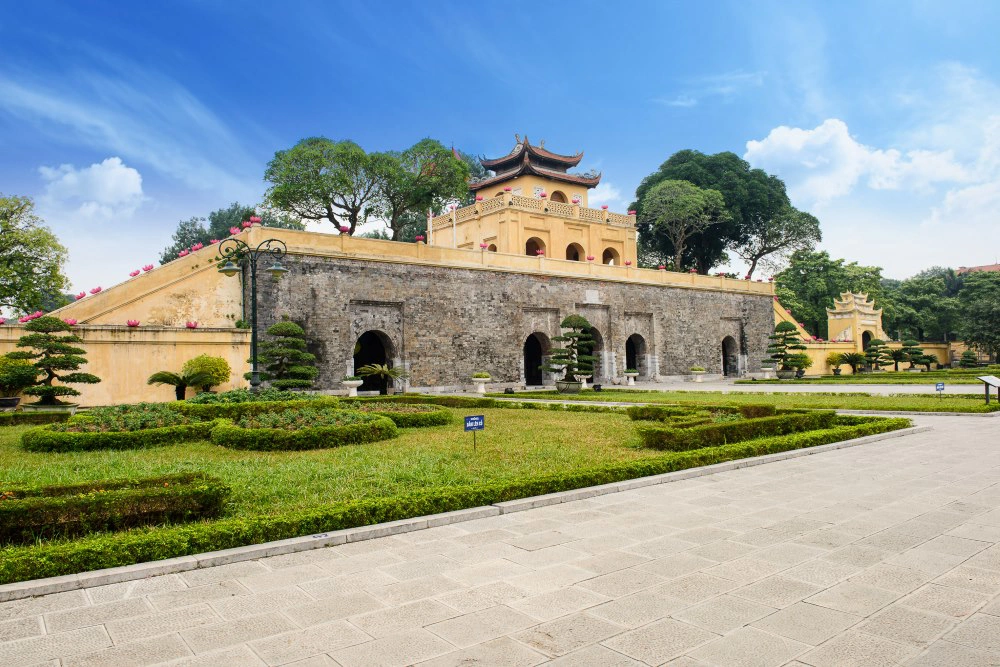
Discover the cultural roots of Hanoi in the Central Sector of the Imperial Citadel of Thang Long.
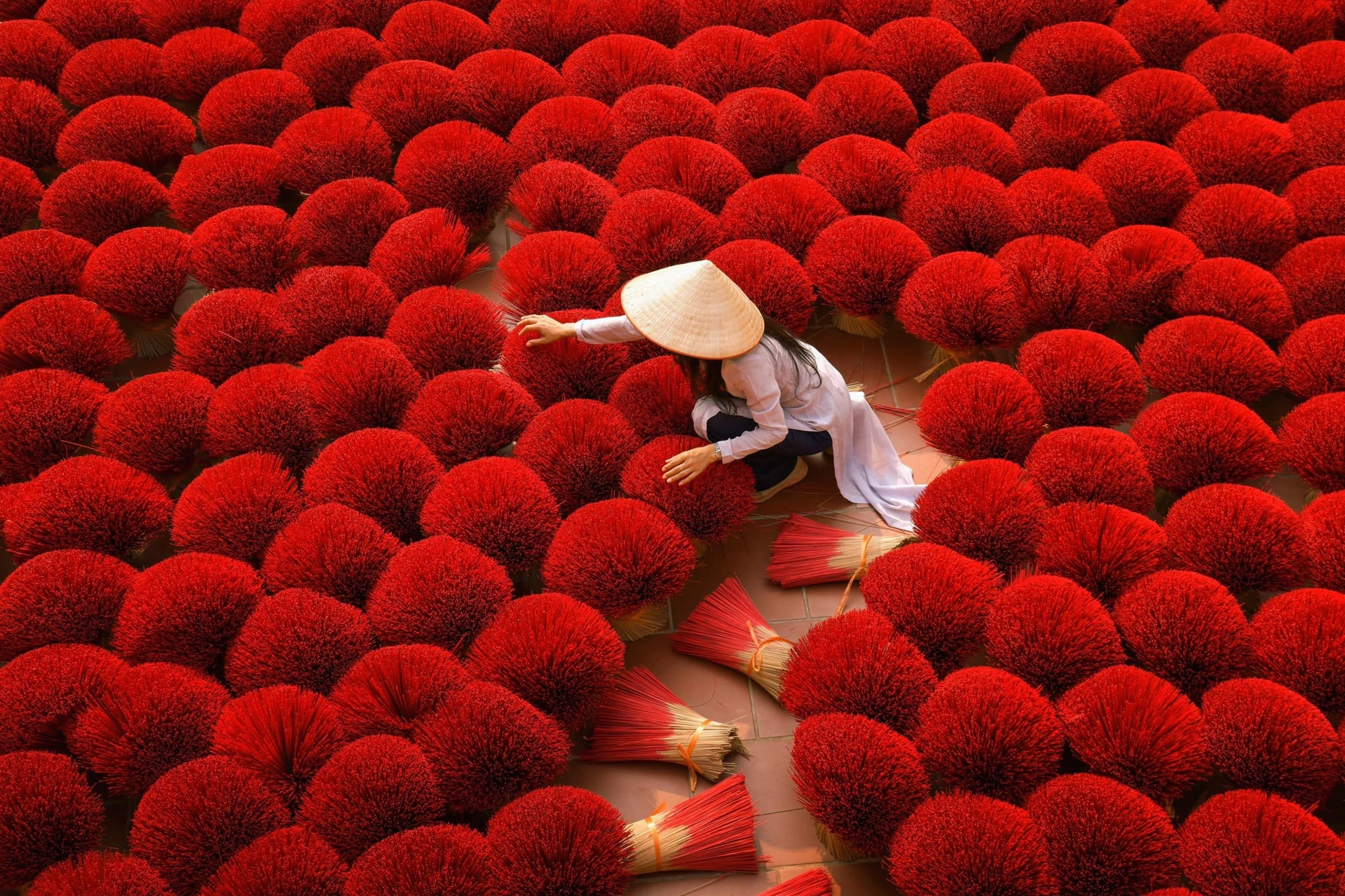
Vietnam is a country full of history, culture, and natural beauty, offering unforgettable experiences for every type of traveler. From bustling cities and ancient temples to serene countryside and pristine beaches, there is something for everyone. With careful planning, attention to local customs, and consideration for dietary or religious needs, Israeli travelers can enjoy a safe, enriching, and memorable journey.
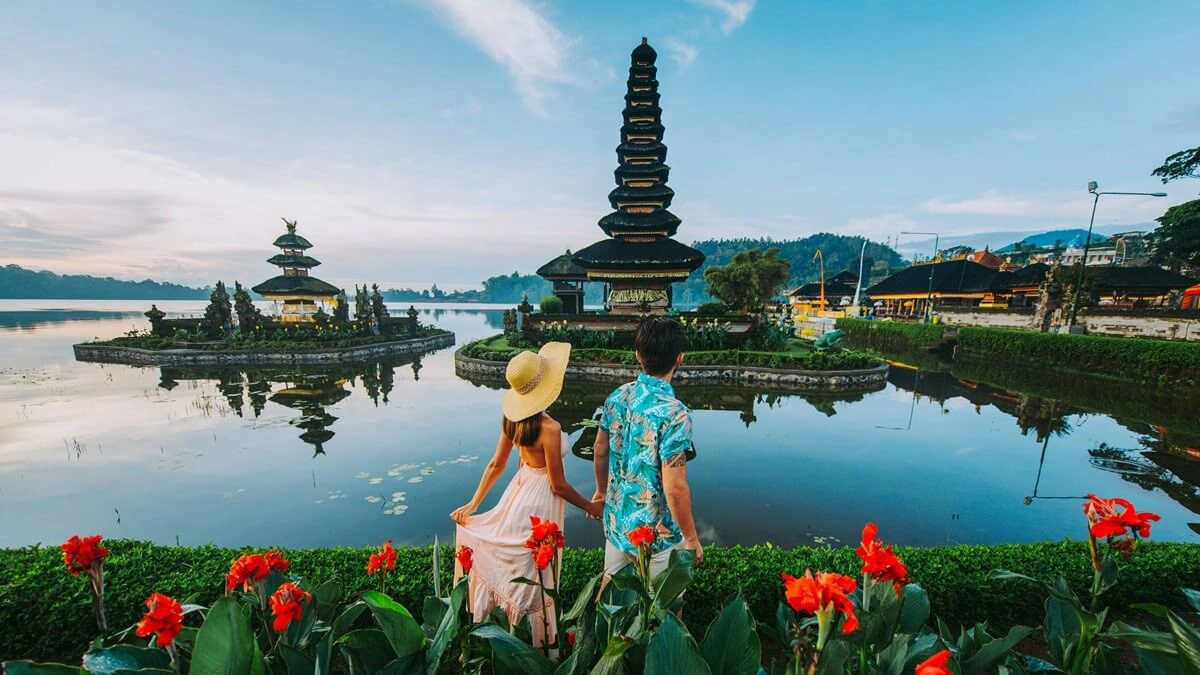
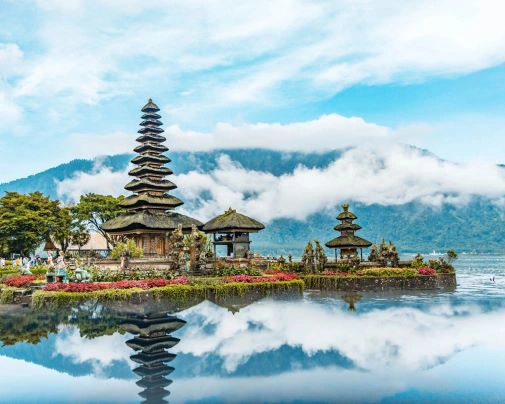
To enter Bali, travelers need a passport valid for 6 months; many nationalities get 30 days visa-free, while longer stays require a Visa on Arrival or e-visa. The island has a tropical climate with a dry season (Apr–Oct) ideal for beaches and festivals, and a wet season (Nov–Mar) with lush green landscapes. Cash in Indonesian Rupiah is essential for small expenses, though cards are accepted in larger venues, and transport mainly relies on taxis, ride-hailing apps, scooters, or private drivers. Visitors should respect local customs—dress modestly at temples, remove shoes in sacred spaces, and use the right hand when giving or receiving items.
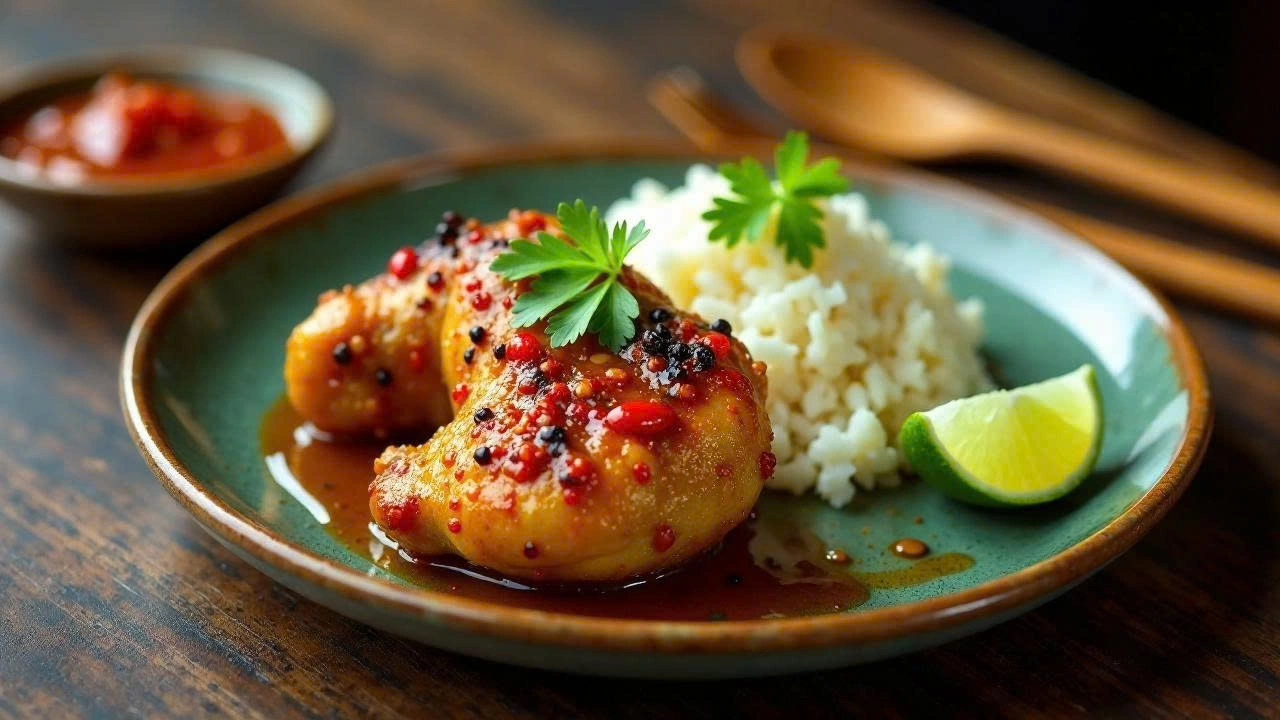
Balinese cuisine is a vibrant reflection of the island’s culture, shaped by its Hindu heritage, fertile volcanic soils, and abundant spices. Meals are a harmonious balance of flavors spicy, savory, sweet, and aromatic—brought together through fresh herbs, coconut, peanuts, and chili-based spice pastes known as bumbu. Rice is the centerpiece of most meals, complemented by grilled meats, seafood, and an array of vegetable dishes. Many recipes are deeply rooted in ceremonial traditions, often served during temple festivals and family gatherings, making Balinese food not only a culinary delight but also a cultural journey.
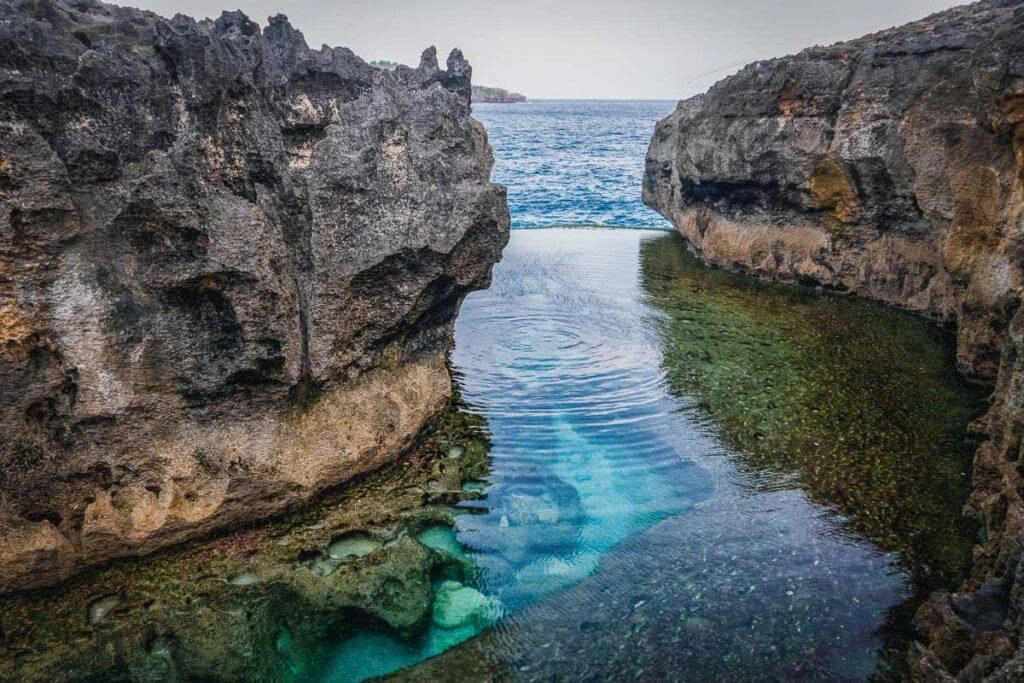
Nusa Penida is a stunning island off Bali’s southeast coast, famed for its rugged cliffs, crystal-clear waters, and dramatic landscapes. Highlights include Kelingking Beach with its dinosaur-shaped headland, Angel’s Billabong, and Broken Beach. Popular for snorkeling and diving, the island offers encounters with manta rays and vibrant coral reefs, making it a paradise for adventure and nature lovers.
Preparing for your upcoming trip to Asia?
Let us know what we can arrange for you!