


Send us a Message
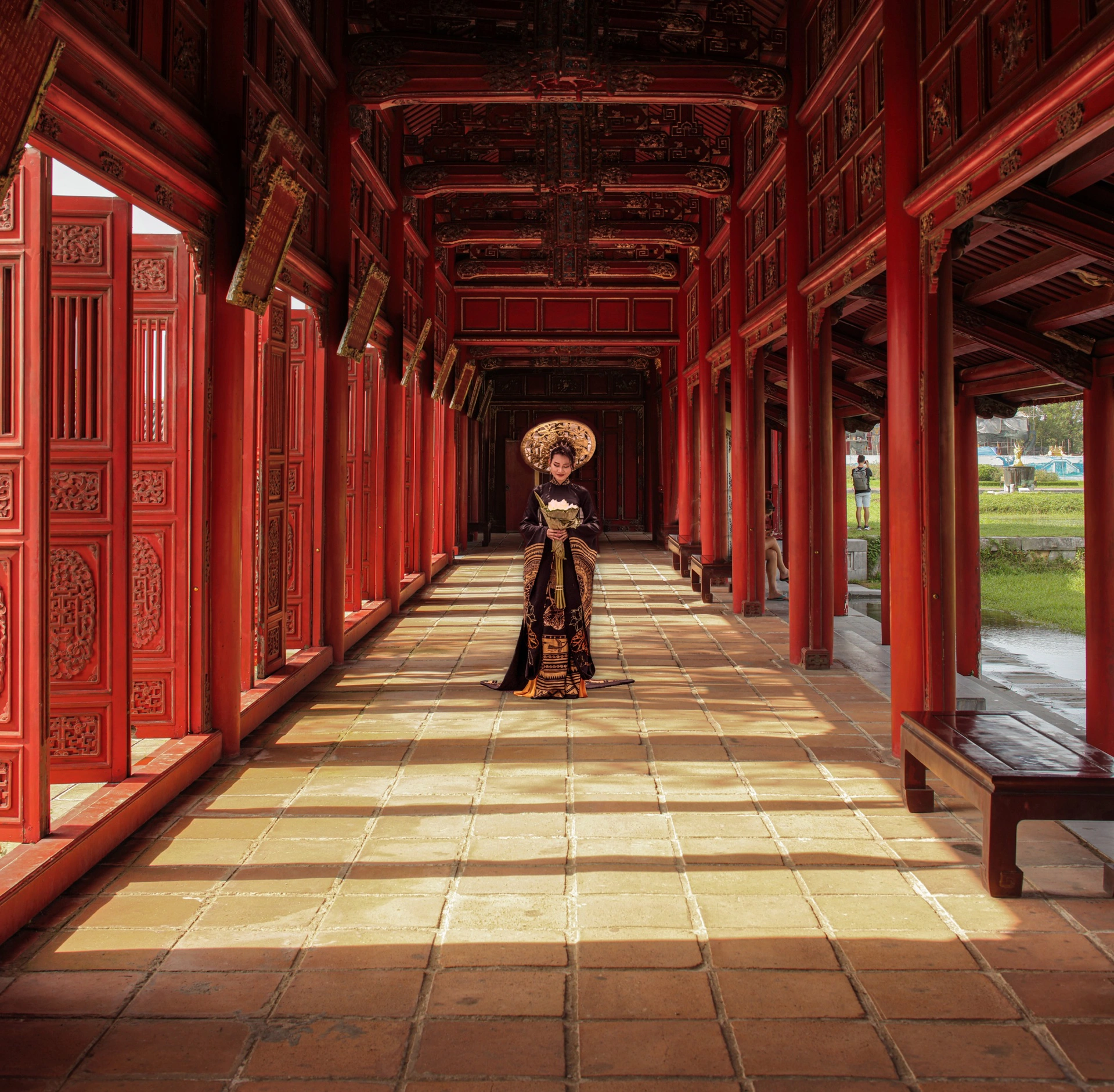
Are you drawn to slow travel and peaceful destinations away from the crowds?
If you’re looking for a relaxing escape in Southeast Asia, Laos may be exactly what you’re searching for.
Its tranquil temples, scenic mountains, and riverside towns offer a refreshing contrast to the fast pace of modern life.
But is 7 days enough to experience the country’s rich culture, majestic landscapes, and laid-back charm?
In this guide, VietnamStay shares a suggested one-week itinerary to help you make the most of your time in Laos.
Seven days may not be enough to explore every corner of Laos, especially since the country stretches over 1,700 km from north to south.
However, it is enough to discover many of its highlights while enjoying the relaxed pace that makes Laos so appealing.
Most first-time itineraries focus on Northern and Central Laos, connecting the UNESCO World Heritage city of Luang Prabang, the adventure town of Vang Vieng, and the capital Vientiane.
Thanks to the Boten–Vientiane Railway (Laos–China Railway), traveling between these destinations is now faster and more convenient than ever.
In just one week, you can experience the country's vibrant capital, dramatic limestone landscapes, centuries-old Buddhist heritage, and laid-back riverside atmosphere – all without feeling rushed.

The journey begins in Luang Prabang, where you can explore its temples, heritage, and relaxed riverside setting.
It then continues to Vang Vieng, a town surrounded by dramatic limestone mountains and peaceful countryside.
The final stop is Vientiane, where you can discover the capital's historic landmarks and laid-back atmosphere.
Here is a look at how your seven days in Laos could unfold. The itinerary leaves room to adjust the pace and activities to suit your interests and travel style.
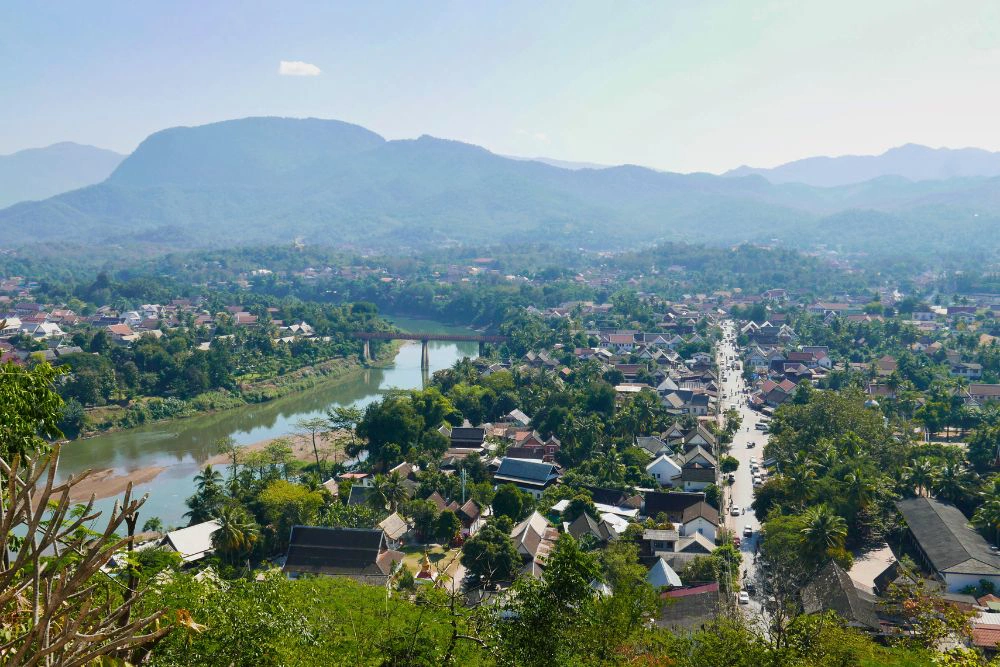
Day 1: Arrive in Luang Prabang & settle in
Start your journey in Luang Prabang, Laos’ former royal capital and UNESCO World Heritage city.
After arriving, settle into your hotel and spend the afternoon getting your first impression of the old town.
Take a walk along the quiet streets between traditional houses, small temples and cafés, then head towards the Mekong River around sunset.
If you still have energy, visit the Night Market, where local crafts, textiles and food stalls fill the pedestrian streets in the evening.
Day 2: Discover Luang Prabang
Use your first full day to explore Luang Prabang at a relaxed pace.
Begin with some of the city’s most important temples, including Wat Xieng Thong, one of the finest examples of traditional Lao temple architecture.
You can then visit the former Royal Palace, now the National Museum, before continuing through the old town.
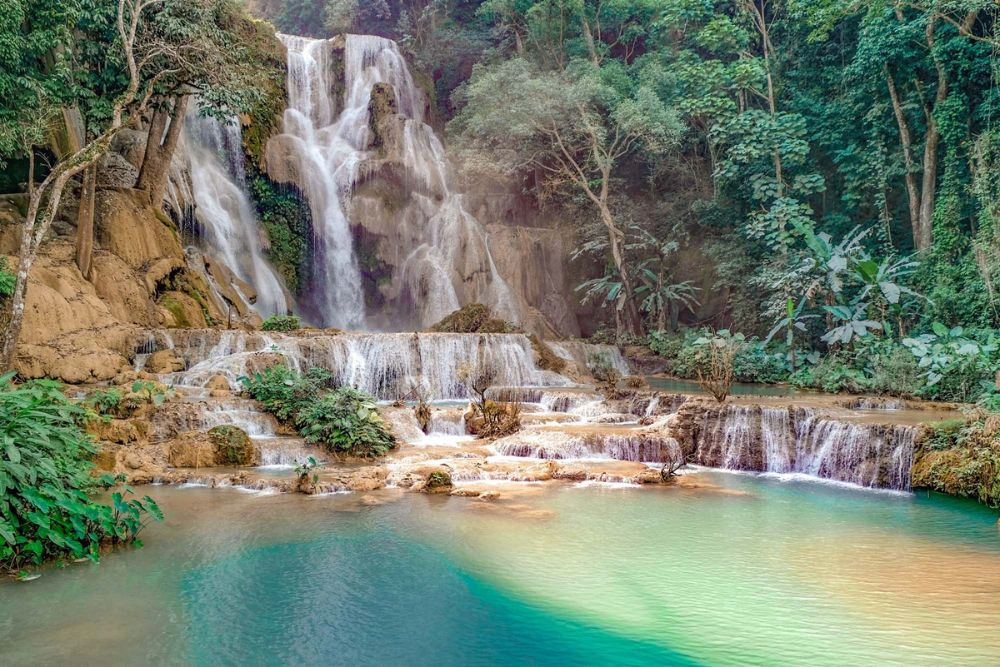
In the afternoon, consider visiting Kuang Si Falls, around 30 km from Luang Prabang.
The turquoise pools and surrounding forest make it one of the region’s most popular natural attractions.
You can also visit the Tat Kuang Si Bear Rescue Centre nearby.
Return to Luang Prabang in the late afternoon and enjoy another quiet evening in the old town.
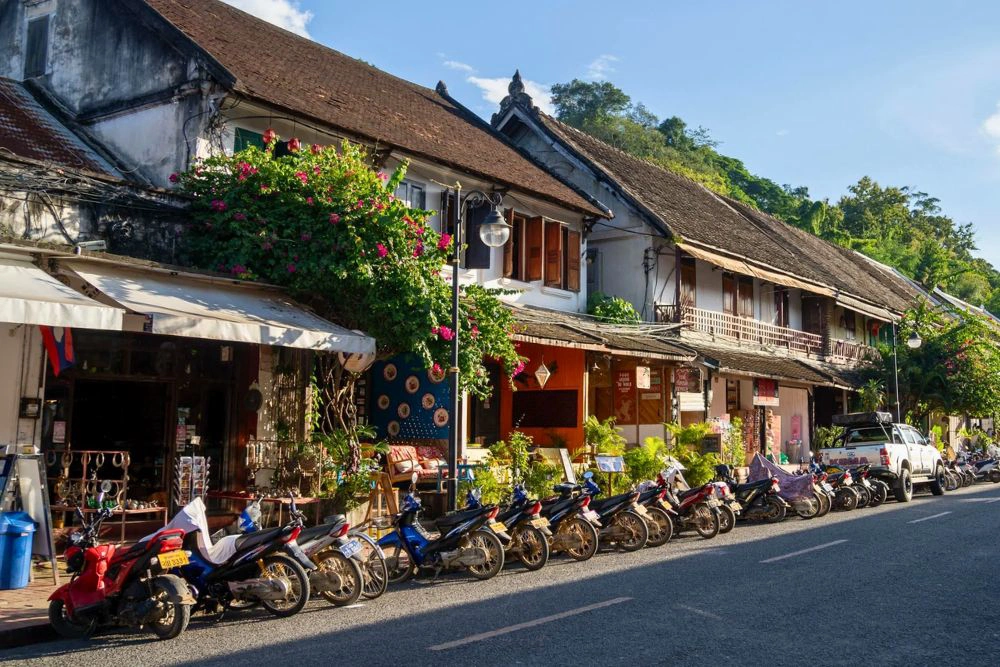
Day 3: Journey from Luang Prabang to Vang Vieng
Today’s journey continues south to Vang Vieng on the Boten–Vientiane Railway.
The train makes the journey quicker while offering views of mountains, valleys and rural villages along the way.
Known for its dramatic limestone mountains, rivers and caves, Vang Vieng offers a very different landscape from Luang Prabang.
After checking in, spend the afternoon exploring the town and its surroundings at your own pace.
For an easy first activity, take a walk along the Nam Song River or find a viewpoint to watch the sunset over the karst landscape.
Day 4: Explore Vang Vieng
Set aside a full day for Vang Vieng’s natural surroundings.
Depending on your interests and fitness level, you can explore one of the area’s caves, go kayaking or tubing on the Nam Song River, or take a short hike to one of the viewpoints overlooking the limestone landscape.
If you prefer a slower day, there is no need to fill every hour with activities. Vang Vieng’s scenery is best appreciated when you have time to simply enjoy it.
Return to town in the afternoon and spend the evening by the river.
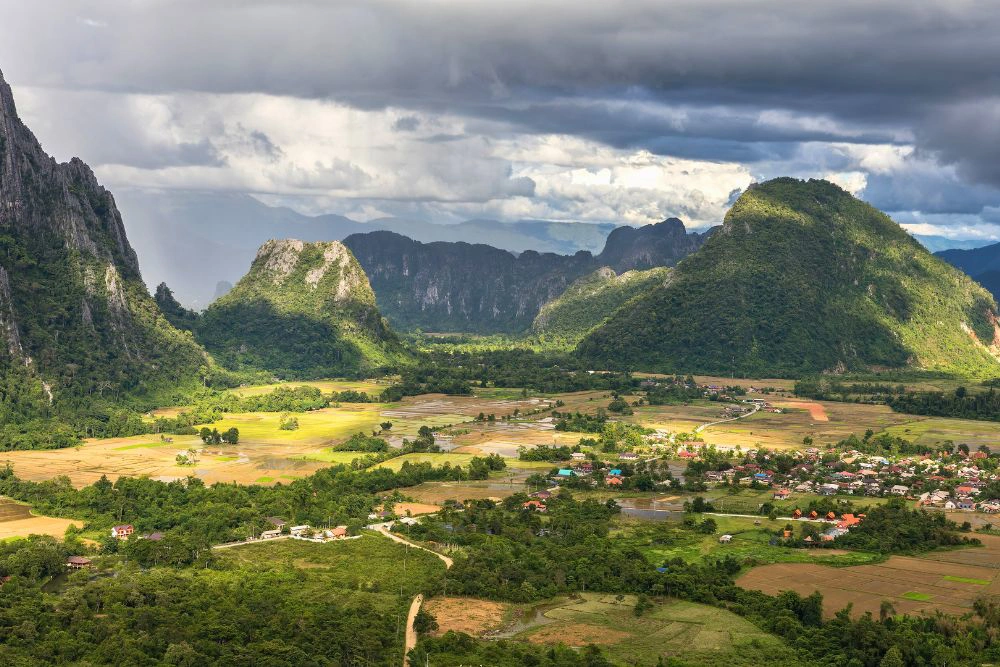
Day 5: Travel from Vang Vieng to Vientiane
Make your way to Vientiane, the capital of Laos. Take the train and spend the afternoon exploring the city after arrival.
After checking in, explore the streets around the city center at your own pace.
You can stop at a local café, browse the shops and markets, or simply take a walk along the Mekong waterfront.
As evening approaches, the riverside area becomes livelier, with food stalls and local vendors appearing along the promenade.
Day 6: Discover Vientiane
Spend your final full day exploring the capital's most famous landmarks and cultural attractions.
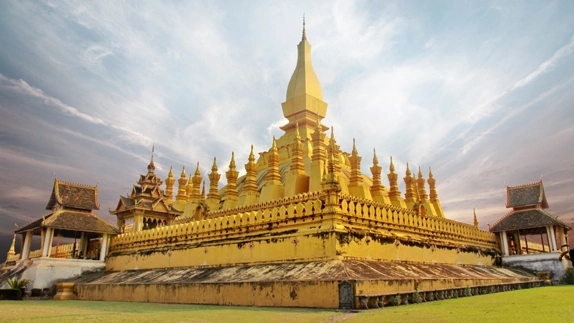
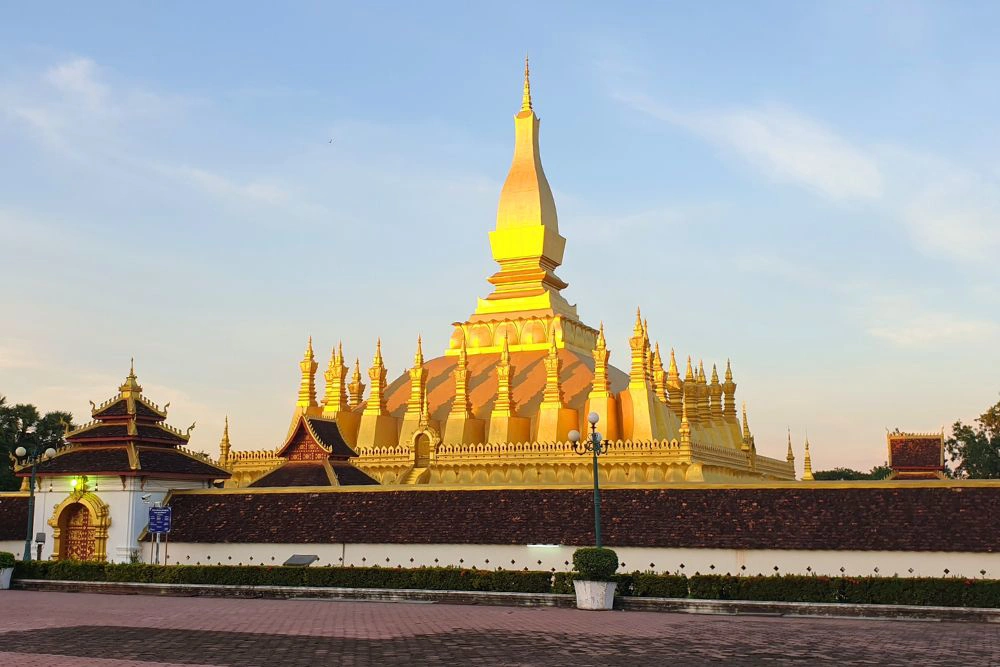
Visit Pha That Luang, the country's most sacred Buddhist monument, before continuing to Patuxai and Wat Sisaket.
In the afternoon, explore local markets or museums before ending the day with dinner overlooking the Mekong River.
Day 7: Enjoy your final morning in Laos
Keep your final morning flexible depending on your departure time.
You might take one last walk through central Vientiane, enjoy breakfast at your hotel or pick up a few local products before heading to the airport.
If your flight leaves later in the day, you can also use the extra time for a final sightseeing stop or a relaxed lunch.
Laos has a tropical climate, so the weather can be divided largely into dry and wet seasons.
For your first trip, the dry season from November to February is generally more comfortable, with less rain and cooler temperatures.
These conditions are well suited to activities such as kayaking, hiking and exploring caves in Vang Vieng.
Yet the rainy season, from around April to September, has its own charm.
It brings hotter, more humid weather and occasional changes to outdoor plans, but also gives the countryside a greener appearance.
One interesting difference is Kuang Si Falls, which can look different depending on the season.
The water is typically more blue during the dry season and a deeper green during the wetter months.
The above 7-day itinerary is for reference. Think of it as a starting point rather than a fixed schedule.
There is no need to follow it exactly, especially when everyone has their own pace and interests.
You can adjust the pace, spend more time in the places that interest you most, or add experiences that match the way you like to travel.
Prefer a slower pace?
Give Luang Prabang an extra night and allow more time to explore its temples, markets and riverside neighborhoods.
Want more time in nature?
Vang Vieng is the natural choice for extending the trip. An extra day gives you more time for kayaking, hiking, or simply enjoying the landscape around the Nam Song River.
More interested in culture and local life?
You may prefer to spend more time in Luang Prabang, where you can explore more of the old town’s temples, traditional crafts and local food.
You can also adapt the trip around your arrival and departure flights. Some travelers may find that six nights is enough, while others may prefer to add a few extra days for a more relaxed journey.
Ready to start planning your journey through Laos? Send us a message on WhatsApp or contact us through our website to get a quote.
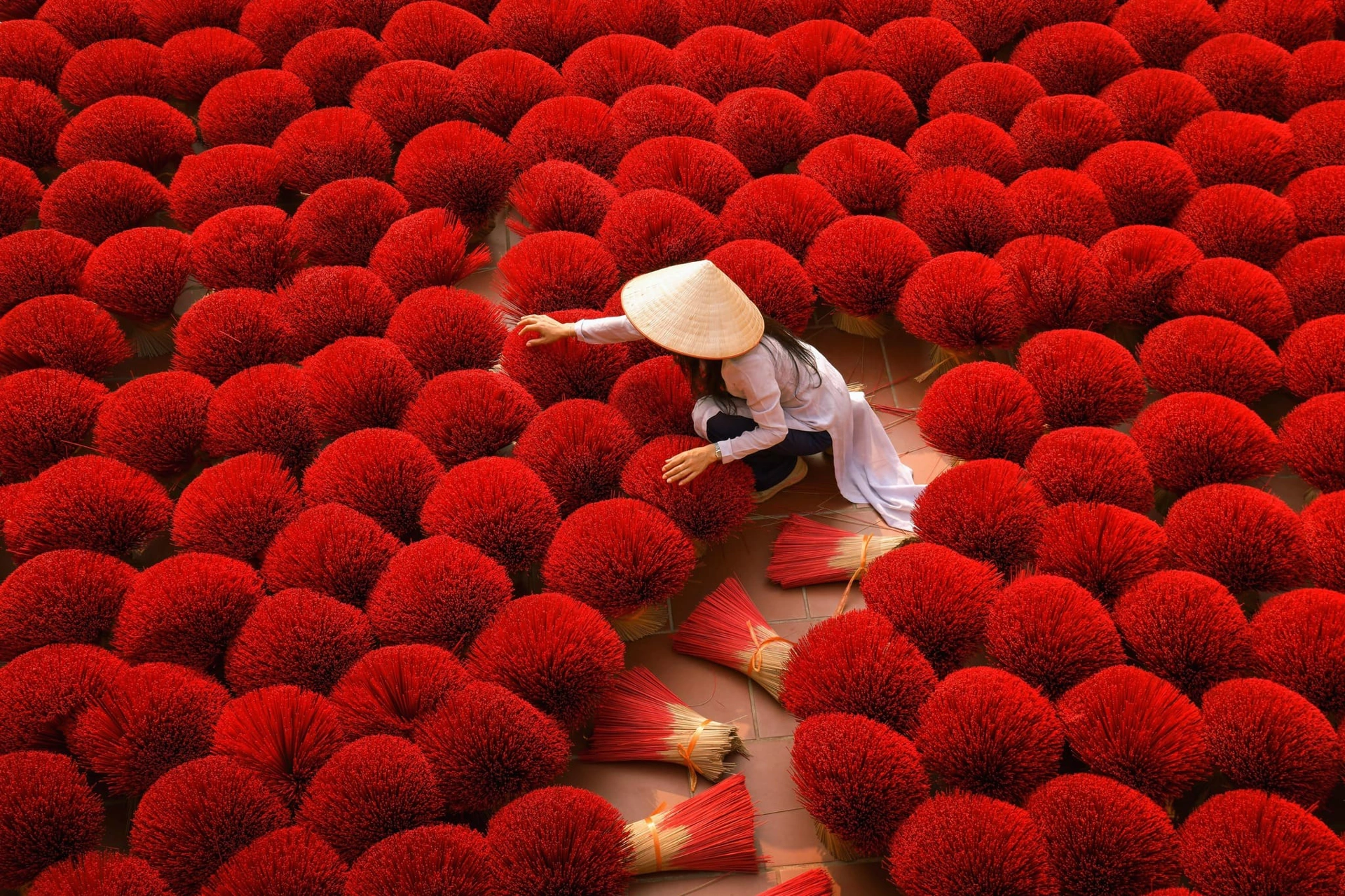
Vietnam is a country full of history, culture, and natural beauty, offering unforgettable experiences for every type of traveler. From bustling cities and ancient temples to serene countryside and pristine beaches, there is something for everyone. With careful planning, attention to local customs, and consideration for dietary or religious needs, Israeli travelers can enjoy a safe, enriching, and memorable journey.
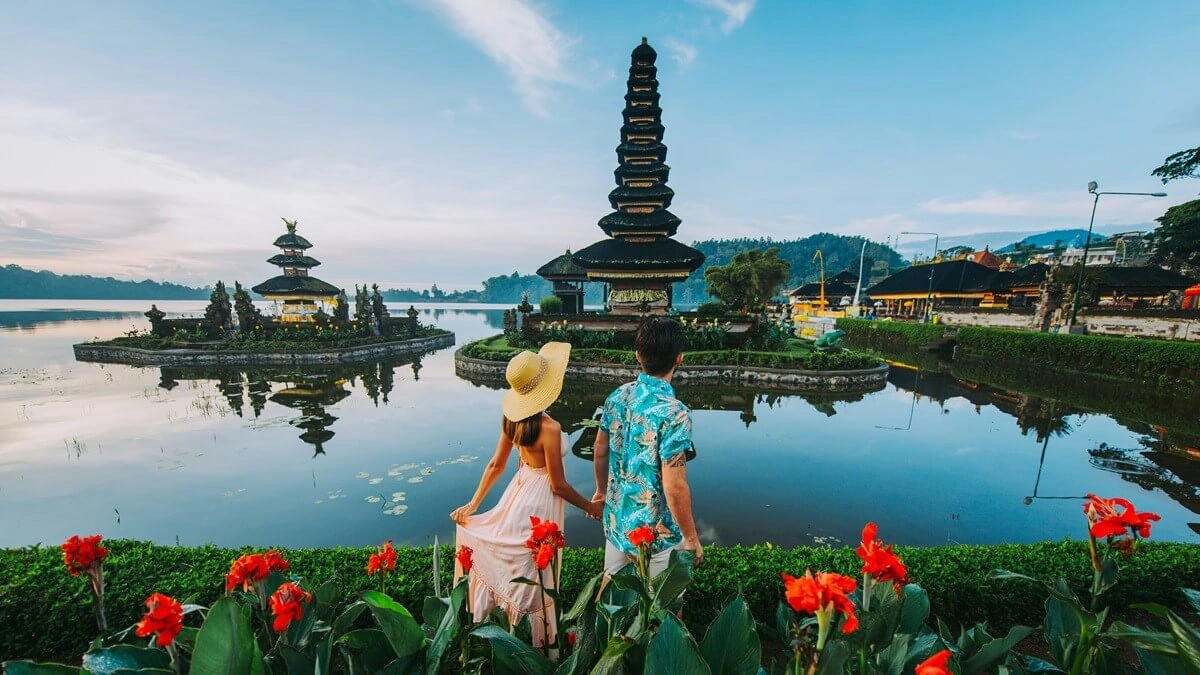
To enter Bali, travelers need a passport valid for 6 months; many nationalities get 30 days visa-free, while longer stays require a Visa on Arrival or e-visa. The island has a tropical climate with a dry season (Apr–Oct) ideal for beaches and festivals, and a wet season (Nov–Mar) with lush green landscapes. Cash in Indonesian Rupiah is essential for small expenses, though cards are accepted in larger venues, and transport mainly relies on taxis, ride-hailing apps, scooters, or private drivers. Visitors should respect local customs—dress modestly at temples, remove shoes in sacred spaces, and use the right hand when giving or receiving items.

Balinese cuisine is a vibrant reflection of the island’s culture, shaped by its Hindu heritage, fertile volcanic soils, and abundant spices. Meals are a harmonious balance of flavors spicy, savory, sweet, and aromatic—brought together through fresh herbs, coconut, peanuts, and chili-based spice pastes known as bumbu. Rice is the centerpiece of most meals, complemented by grilled meats, seafood, and an array of vegetable dishes. Many recipes are deeply rooted in ceremonial traditions, often served during temple festivals and family gatherings, making Balinese food not only a culinary delight but also a cultural journey.
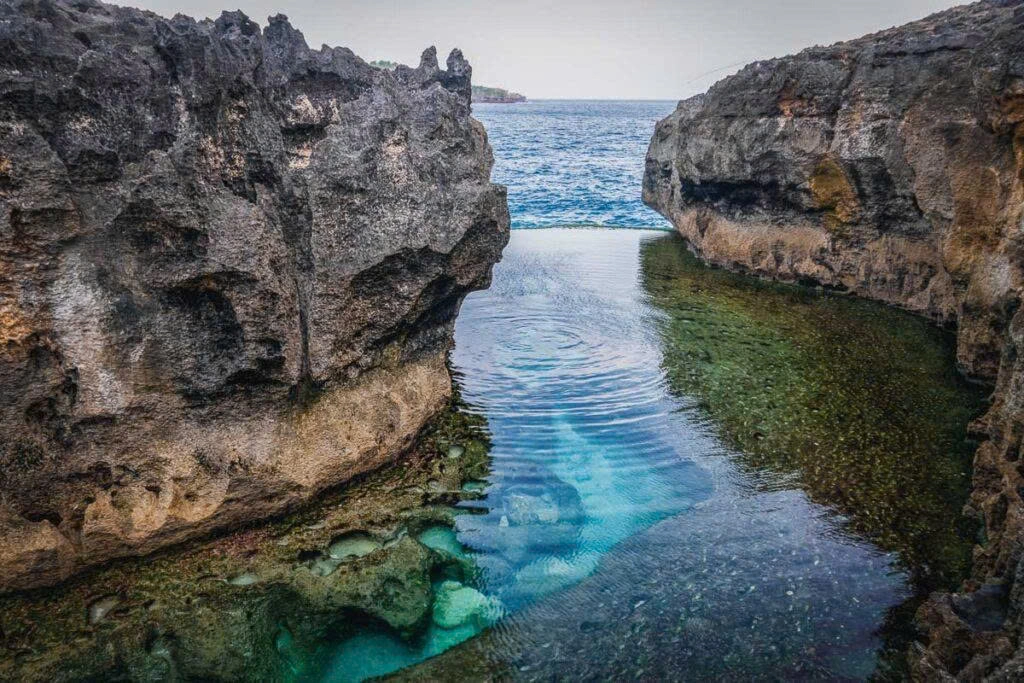
Nusa Penida is a stunning island off Bali’s southeast coast, famed for its rugged cliffs, crystal-clear waters, and dramatic landscapes. Highlights include Kelingking Beach with its dinosaur-shaped headland, Angel’s Billabong, and Broken Beach. Popular for snorkeling and diving, the island offers encounters with manta rays and vibrant coral reefs, making it a paradise for adventure and nature lovers.
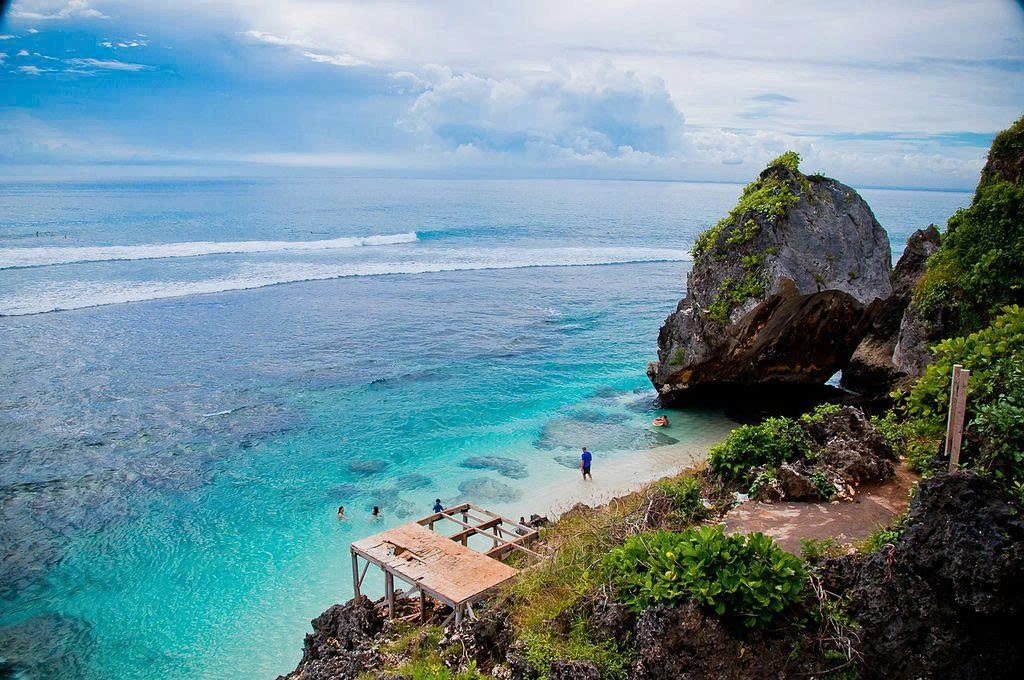
Uluwatu is renowned for its dramatic sea cliffs, world-class surf breaks, and breathtaking ocean views. At its heart lies the iconic Uluwatu Temple, perched high above the waves and famous for sunset Kecak dance performances. With luxury resorts, hidden beaches, and a relaxed coastal vibe, Uluwatu is a perfect blend of culture, adventure, and natural beauty.
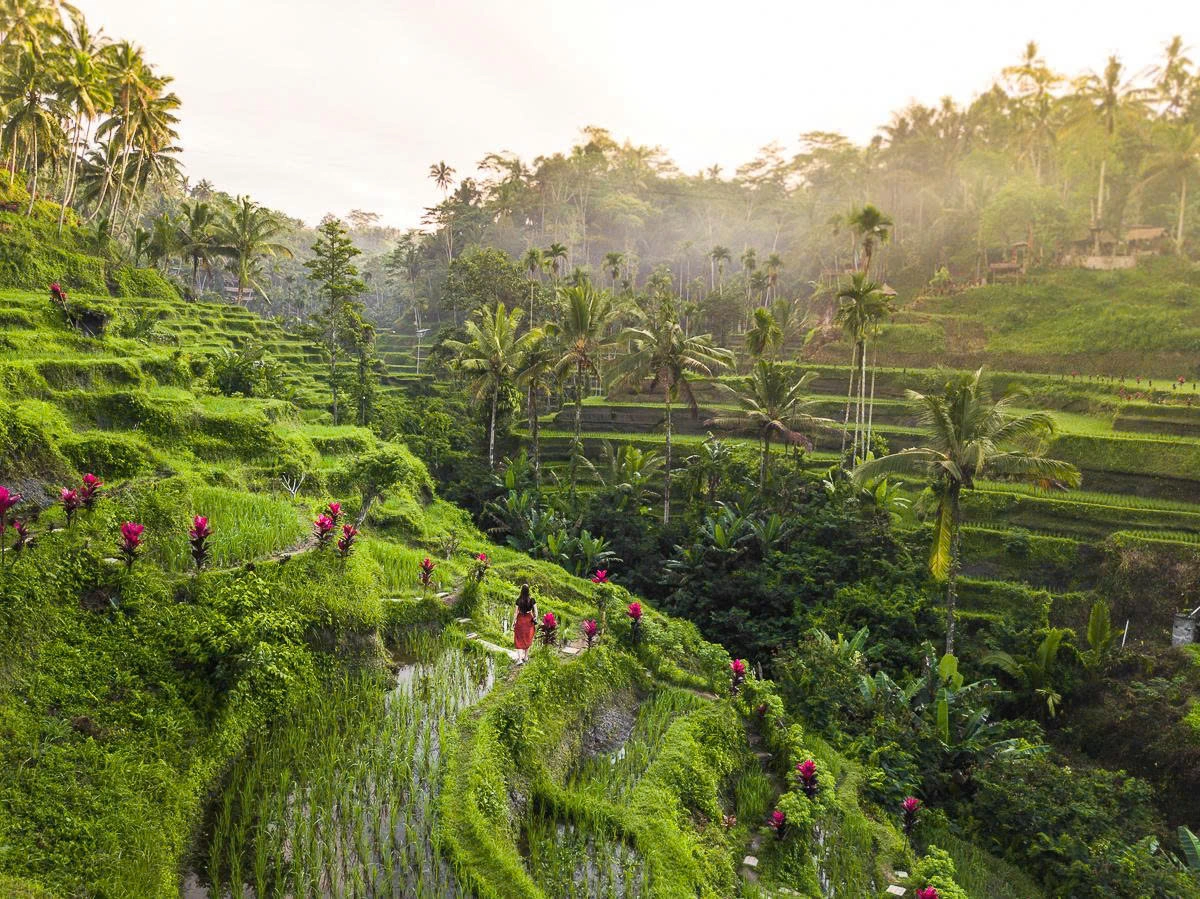
Ubud is the cultural and spiritual heart of Bali, surrounded by rice terraces, lush forests, and traditional villages. Known for its art, dance, and handicrafts, it’s also a hub for yoga, wellness, and spiritual retreats. With its temples, galleries, and serene landscapes, Ubud offers a deeper connection to Balinese heritage and nature.
Preparing for your upcoming trip to Asia?
Let us know what we can arrange for you!